Category: Business

  • New Zealand Bullion: Ensuring Authenticity and Value for Investors

    Investing in precious metals like gold and silver has long been a favoured strategy for wealth preservation and diversification. In New Zealand’s evolving financial landscape, certified bullion has become a cornerstone for investors seeking security, authenticity, and transparency in their investments.

    Understanding Certified Bullion: What It Is and Why It Matters
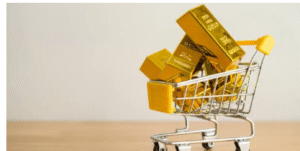
    certified bullionCertified bullion refers to precious metal bars or coins that have undergone rigorous testing and certification by reputable assaying and grading institutions. This certification guarantees the bullion’s weight, purity, and authenticity, backed by an official hallmark or certificate.

    For investors, certified bullion offers peace of mind that what they are purchasing is genuine and meets the stated standards. In contrast, uncertified bullion carries risks of fraud, counterfeit products, or substandard quality, which can significantly affect investment value.

    In New Zealand, where gold and silver investments are gaining traction, the assurance of certified bullion is increasingly vital for protecting both novice and seasoned investors from market pitfalls.

    The Importance of Authenticity in Precious Metal Investments

    One of the most critical concerns when purchasing bullion is authenticity. Counterfeit gold and silver products flood global markets, and New Zealand is not immune to this risk. The presence of fake or adulterated bullion can severely undermine investor confidence and lead to financial losses.

    Certified bullion addresses this concern by:

    • Verifying Purity: Certification confirms that the bullion meets strict purity standards, such as 99.99% for gold or silver.
    • Guaranteeing Weight: Accurate weight measurement ensures investors receive the full value they pay for.
    • Issuing Official Certification: Documentation from accredited bodies or mint marks provides an official record, enhancing trustworthiness.

    This layer of verification not only safeguards investors but also streamlines resale and liquidity. Buyers and dealers prefer certified bullion because its authenticity is verifiable, making transactions smoother and less risky.

    Certified Bullion and Market Value: Protecting Your Investment

    The value of bullion is heavily dependent on its purity and authenticity. Certified bullion often commands a premium price compared to uncertified or dubious sources, but this premium is an investment in security.

    Here’s how certification directly impacts market value:

    • Higher Resale Value: Certified bullion is easier to sell on local and international markets, as buyers trust the documented quality.
    • Price Stability: Certified products are less prone to price manipulation caused by fake or mixed-quality metals.
    • Enhanced Liquidity: With official certification, bullion can be quickly verified, attracting more buyers and reducing sale delays.

    For New Zealand investors, this means certified bullion offers a reliable store of value that can be liquidated efficiently when needed.

    Choosing the Right Certified Bullion in New Zealand

    Investors in New Zealand have access to a variety of certified bullion options, but not all certifications are equal. Selecting the right certified bullion involves understanding the certification sources and their reputations.

    • Reputable Mints: The Royal Canadian Mint, Perth Mint, and New Zealand Mint produce bullion with globally recognised certification.
    • Accredited Grading Companies: Institutions like the Professional Coin Grading Service (PCGS) and Numismatic Guaranty Corporation (NGC) provide grading and certification that ensure quality and authenticity.
    • Local Dealers: Trusted New Zealand bullion dealers provide certified bullion and often offer additional verification services.

    By prioritising certified bullion from reputable sources, investors protect themselves from counterfeit risks and ensure their investments align with international standards.

    Certified Bullion and Legal Considerations in New Zealand

    While New Zealand has a relatively straightforward regulatory environment for bullion ownership, the legal assurance that comes with certified bullion adds another layer of security.

    • Ownership Verification: Certified bullion provides clear documentation of ownership and origin, which is helpful for legal and tax purposes.
    • Import and Export Compliance: When trading internationally, certified bullion simplifies customs declarations and compliance with regulatory standards.
    • Consumer Protection: Buying certified bullion through licensed dealers ensures that investors have recourse in case of disputes or misrepresentation.

    Thus, certified bullion is not only a financial asset but also a legal safeguard for New Zealand investors.

    Conclusion:

    In the dynamic and sometimes risky world of precious metal investment, certified bullion emerges as the definitive solution for authenticity, value preservation, and investor confidence. New Zealand investors benefit immensely from choosing certified bullion, as it guarantees purity, safeguards against fraud, enhances liquidity, and aligns with legal standards.

    By investing in certified bullion sourced from reputable mints and dealers, New Zealanders can build a robust portfolio, protect wealth against uncertainty, and confidently participate in the global bullion market.

  • Pallet Freezer Spacers: The Growing Role of Pallet Freezer Spacers in Australia’s Food and Pharmaceutical Industries

    Australia’s cold chain logistics sector is under increasing pressure to meet sustainability goals while maintaining the quality and safety of temperature-sensitive goods. With industries such as food and pharmaceuticals relying heavily on uninterrupted cold storage and transportation, innovative solutions are needed to reduce energy consumption, cut emissions, and minimise product waste. One such innovation gaining traction is pallet freezer spacers — a transformative yet straightforward tool that is revolutionising cold chain efficiency and sustainability across the country.

    What Are Pallet Freezer Spacers?

    Pallet freezer spacers are durable, ventilated plastic sheets or grids designed to be inserted between layers of palletised products. Their primary function is to improve airflow throughout a pallet load, ensuring faster and more uniform freezing or chilling. Unlike traditional methods, where air circulation is often compromised due to tightly packed goods, freezer spacers create consistent gaps that allow cold air to reach all surfaces equally.

    The result is a significant reduction in freezing and thawing times, less energy consumption, and greater control over product temperature during storage and transport. These benefits make pallet freezer spacers an invaluable asset in Australia’s mission to optimise cold chain practices sustainably.

    Reducing Energy Consumption and Emissions

    Energy efficiency is a critical component of any sustainable supply chain. In cold storage facilities and refrigerated trucks, a significant portion of operational costs and carbon emissions comes from prolonged freezing and chilling cycles. Pallet freezer spacers help reduce these cycles by improving thermal transfer efficiency, allowing cold air to permeate pallets more quickly and evenly.

    Studies and field applications in Australia have demonstrated that the use of pallet freezer spacers can reduce freezing times by up to 30%, depending on the product type and loading configuration. It translates into substantial energy savings and reduced CO₂ emissions over time — a win-win scenario for both business operators and the environment.

    Minimising Product Waste in Food and Pharma Supply Chains

    In food and pharmaceutical logistics, product spoilage due to inadequate temperature control remains a significant concern. Improper freezing or temperature fluctuations during transport can compromise product quality, resulting in wastage and financial loss. Pallet freezer spacers play a crucial role in maintaining uniform temperature, thereby preserving the integrity of temperature-sensitive goods such as meat, seafood, dairy products, vaccines, and biopharmaceuticals.

    In the Australian pharmaceutical sector — where even minor temperature deviations can render products unusable — freezer spacers contribute to tighter thermal control, helping businesses meet stringent regulatory requirements such as those outlined by the Therapeutic Goods Administration (TGA).

    Supporting Australia’s Sustainability Goals

    Australia is committed to reducing its greenhouse gas emissions, with sectors such as transport and logistics expected to lead the transition. As part of this broader sustainability agenda, pallet freezer spacers support cold chain providers in adopting greener practices without requiring significant infrastructure changes.

    These spacers are typically made from recyclable and reusable materials, aligning with the principles of the circular economy. Unlike single-use packaging solutions, pallet freezer spacers can be cleaned and reused multiple times across various shipments, dramatically reducing plastic waste. Their lightweight and stackable design also improves logistical efficiency, allowing for easier storage and reduced transportation costs.

    Application Across Australia’s Food and Pharma Hubs

    From the seafood processors of Western Australia to the meat exporters of Queensland and the pharmaceutical warehouses of Victoria, pallet freezer spacers are becoming an integral part of the country’s cold chain infrastructure. For instance, in Tasmania’s rapidly growing salmon export industry, freezer spacers have helped operators achieve faster freezing times, which is crucial for maintaining product freshness during long export hauls.

    Similarly, in South Australia’s pharmaceutical distribution centres, spacers are helping temperature-controlled environments stay within safe thresholds during peak summer months, when power grids are under stress and refrigeration systems must work harder.

    Conclusion:

    As Australia advances toward more sustainable industrial practices, the role of innovative yet straightforward tools, such as pallet freezer spacers, cannot be overstated. By improving airflow, enhancing temperature control, and reducing energy consumption, these spacers enable the food and pharmaceutical industries to meet environmental goals while safeguarding product quality and operational efficiency.

    In a landscape where every degree matters and every dollar counts, pallet freezer spacers offer an innovative, scalable solution to one of the cold chain’s most pressing challenges. Their growing adoption signals a broader shift toward sustainable, resilient logistics in Australia — one pallet at a time.

  • Silage Film: Silage Film Rolls – What Are the Advantages?

    Silage film is used to wrap hay and silage bales. It is to limit the availability of oxygen, preventing spoilage and preserving nutrition for livestock.

    Bales should be wrapped as soon as possible after baling to prevent the onset of fermentation gases, which can cause them to burst. To reduce handling and storage losses, it is also important to keep the bales in a cool place.

    silage film rollsStrength and Durability

    Forage crop bales are typically wrapped with silage film rolls to create an oxygen barrier and promote the fermentation of forage crops such as hay, corn stalks and grass. The film needs to be strong enough to withstand pressure from fodder plants with hard stems and provide excellent puncture resistance. The film also needs to be able to cling to itself and the bale, forming a tight seal that helps reduce air leakage, which can impact the quality of the forage crop.

    The cling value of a silage film should be 8 to 9 Newtons per meter, SML says. It also needs to have a high dart impact level, which means it can resist damage during ensiling and storage. It should also be treated to resist ultra-violet light degradation, which can cause spoilage. It’s important to ensure that the silage film you choose has these qualities before purchasing it.

    Bales wrapped with the right silage wrap can keep forage fresh and healthy for a long time. They can help farmers save on feed costs by reducing the need for indoor storage and reducing losses of quality forage. The best way to get the most from your bales is to use a high-performance film, such as Flavor-Seal, that has a strong cling and puncture and abrasion resistance. It also has a reflective white surface, which minimizes heat buildup and is UV-treated to prevent deterioration.

    UV Stabilizers

    The UV stabilizers used in silage film protect the granules against degradation by the sun and significantly extend the life of the plastic. They also ensure the safety of the workers handling the film. They can be added in various forms. For example, the additives can be combined with a base polymer during manufacturing or prepared as a master batch.

    Moisture Stabilizers

    This specialized film can reduce the risk of forage spoilage in the field, which can lead to unstable supply and high feed costs. It keeps grass bundles from evaporating, and the controlled anaerobic fermentation promotes the production of forage nutrients, making it easier to digest for livestock. It also protects hay from pests, mould growth, and bacteria, so it’s easy to store and feed for the animals.

    Silage film is used to wrap round bales of hay, forage, and maize. It keeps the forage from spoiling during harvest, transport, and storage, ensuring that it can be preserved all year round. It ensures that farmers can keep their stock fed without needing to buy expensive feed from outside sources. It also reduces the risk of forage contamination and spoilage, which can be caused by fungus deterioration and poor air circulation. It is available in a variety of thicknesses and widths to suit different baling applications.

    Visibility

    Using silage film rolls, farmers can be confident in their ability to keep their hay bales sealed air tight and protected from environmental damage. It also helps to minimize spoilage and ensures that the nutrients are intact in the feed that is given to animals.

    The opacity of this plastic hay wrap reduces heat buildup from sunlight and slows the fermentation process. It also allows for an optimal oxygen barrier to preserve the nutritional value of silage mixes, hay, and maize.

    Additionally, this product is harmless and odourless, making it safe for humans and animals. It doesn’t contain any chemicals or pesticides that could contaminate crops or harm animals, and it can even be reused after being exposed to rain and sun. This product is a great choice for farmers who want to reduce their use of pesticides and other harmful chemicals in their farms.

  • Guitar Trade In: Trade in Guitars at Guitar Center

    Many consider trading in their musical gear to declutter, upgrade or try something new. Guitar Center offers a convenient way to do so.

    However, it is essential to understand how the process works. Keep in mind that you will usually receive store credit rather than cash. In addition, some stores have restrictions on what you can use your trade-in credits towards. For more guitar trade in options, check this out.

    Extending the Life of Your Musical Gear

    guitar trade inYou can trade it in at Guitar Centre when you want to get rid of old gear and need money for something new. It is much easier than selling it privately and dealing with tire kickers. They usually accept any type of musical equipment, so long as it is in decent condition and works properly.
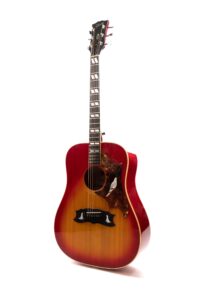
    Some stores may give you cash, but most will offer a credit that you can use to buy gear at the store. They would rather reinvest in their shop than walk away with new cash they could spend elsewhere.

    Generally speaking, you will make more money by selling your guitar or other instrument privately, but there are times when trading is a good option, especially for those who need cash quickly and don’t have the time or desire to list the gear online. Plus, you can avoid potential scams and rip-offs when selling your equipment privately. For more guitar trade in options, check this out.

    Saving Money

    It’s not uncommon to get 50% – 60% of the current market value of your instrument when you trade it in at a music store. It is much better than the 1% – 5% you would get selling it on an online marketplace or classified listing, which can take significantly longer.

    The one drawback of trading your gear to a major chain like Guitar Center is that they will likely offer you store credit instead of cash. But it’s also worth remembering that they are trying to sell you new gear, and they will make money on your trade when they resell it down the road.

    Getting a Great Deal

    One of the main reasons Guitar Center and other music stores have these programs is to encourage musicians to buy new equipment by making it easy to trade in their used gear. Typically, they will offer store credit rather than cash, but this can be helpful if you’re in a hurry or don’t want to go through the hassle of selling your gear privately.

    The condition of your gear can significantly impact how much it will sell for. If it’s in mint condition, you might get up to 50% – 60% of its retail value, but if it has significant damage, that will lower the price significantly. For more guitar trade in options, check this out.

    When you’re going to sell your gear, do your homework. Compare prices online to see what similar equipment is selling for in your area. Then come prepared to make a deal. Having a rock-bottom price in mind will help you avoid getting ripped off by the store’s sales staff.

    Getting a New Instrument

    The beauty of trading in music gear is that you can get a good amount of money for your guitar while still enjoying the freedom of buying something new. However, some stores restrict what you can use your trade-in credit for.

    When getting the most for your old guitar, it is essential to be fair and honest. You should know what your guitar is worth before going to the music store and then decide how much less you would accept. Think about what you’d be willing to sell your guitar for if you were selling it independently. It will give you a rock-bottom price for your instrument, so you won’t feel like you’ve been taken advantage of.

    Remember that the music store will judge your guitar based on its condition. It should be clean and have fresh strings, and you should avoid pointing out cosmetic damage or flaws that will decrease its value.

  • How to Buy a Good Acoustic Guitar

    If you’re new to guitar playing, defining your needs and budget is essential before searching for an acoustic guitar. This will help you find the guitar that fits your playing style and physical comfort.

    Beginner guitars often come in packages that include small amplifiers, strings, and sometimes digital tuners and capos. This makes the process much simpler and less stressful.

    Body and Neck

    buy acoustic guitarWhen a string is plucked on an acoustic guitar, vibrations are transmitted through the bridge and soundboard to the body. This complex air coupling, the resonant properties of the wood and its components, and the string’s natural acoustics combine to produce an instrument’s sound. Buy acoustic guitar here now!

    An acoustic guitar’s body comprises the top, back, and sides. The top, also known as the soundboard, plays a crucial role in producing the tone of an acoustic guitar and is made from various wood species (read more about how acoustic guitar tops affect tone in our article, Your Tone Begins with Your Top). The back and sides are also crucial acoustic guitar parts and are often constructed from a lighter, less dense type of wood than that used for the soundboard.

    The neck is a long, thin piece of wood extending from the base of the headstock to the guitar’s body. The channel is typically made from a different type of wood than the body and is usually shaped to fit the style of the guitar. The fingerboard is a flat strip of wood that runs across the top of the neck and is typically covered with frets. The frets are spaced apart to allow the strings to be tuned to various notes.

    A guitar’s body and neck can influence its sound and feel, so choosing a body and neck that complement each other is essential. It is also helpful to try out different necks and bodies before deciding. This will help to ensure that the instrument feels comfortable in your hands and sounds like it should.

    Another consideration is whether you will use an amplifier with your acoustic guitar. If so, you will need acoustic guitar accessories such as a stand, picks, and cables to complete your setup. Some acoustic guitars include these items in the package, while others require that you purchase them separately. Either way, it is best to budget for these additional costs before buying an acoustic guitar. Buy acoustic guitar here now!

    Electronics

    The sound that washes over you when you play acoustic guitar alone in your room is lovely. But sharing that sound with a crowd in a concert hall or a coffee shop requires amplification. Without it, you risk feedback and are unlikely to rise above the noise of a group or other instruments.

    Acoustic-electric guitars look like regular acoustic guitars but have built-in pickups and preamps that send sound to an external amplifier. These pickups use piezo-electric transducers to convert string vibrations into electrical signals that can be amplified. They’re often mounted in the soundhole, but some acoustic electric models feature them built into the body. These pickups require a battery, and they may also have onboard preamps that let you control tone controls, equalizers, and tuners.

    Various effect pedals will work with acoustic-electric guitars if you want to add effects to your acoustic tone. These include reverb, delay, chorus, and digital multi-effects. They can help you find a unique sound that complements the natural style of your acoustic guitar.

    Some acoustic-electric guitars have a built-in microphone allowing you to plug into an amp and create a fuller sound. However, they tend to be more prone to feedback than other microphones. Using an internal mic can also be a challenge for beginners who don’t have the skills to avoid picking up unwanted sounds.

    If you’re interested in buying an acoustic-electric, make sure it comes with a high-quality pickup tested to resist feedback and other problems. Many acoustic-electric guitars come with multiple kinds of pickups so that musicians can experiment with different options and determine which provides the best sound. A common choice for an acoustic-electric guitar is a soundhole pickup that sits directly inside the hole in the instrument’s body and provides the most natural-sounding acoustic guitar. Other popular choices include an external mic that mounts in the soundhole or a piezo pickup underneath the strings at the bridge.

    Hardware

    Many acoustic guitar models come with onboard electronics–pickup systems built into the guitar’s body that make it easy to plug into an amplifier for live performances and recording. As a result, they are commonly referred to as acoustic-electric guitars. These pickup systems use a piezo sensor, crystals to translate the strings’ vibrations into an electrical signal, and an onboard preamp that boosts the call for a louder sound. Some acoustic-electric guitars also feature a microphone mounted inside the body that lets you blend the direct guitar pickup with the mic for a more natural sound. Buy acoustic guitar here now!