When choosing baler twine, consider the material it is made from and how it works with your machinery. Choosing a twine that will be easy on your equipment and knot well is essential.
Look at the tensile strength, which is how much force a piece of twine can hold without breaking. The higher the number, the stronger the twine. For quality synthetic baling twine, check this out.
Polypropylene
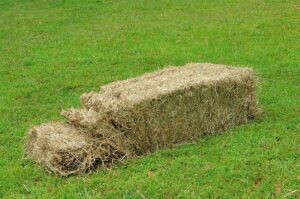 Twine made of polypropylene is a popular choice for baling because it has a high tensile strength and is resistant to knotting. It is also easy to use and can withstand harsh weather conditions. It is also available in various sizes and colours, depending on the type of baling machine used. It should also have UV protection adapted to the region’s climate where it will be used.
While sisal twine is made of individual strands of plant material twisted together, polypropylene is a plastic polymer that won’t biodegrade soon. It is often coated with organic or inorganic lubricants to improve its performance and resistance. These lubricants may be applied by spraying or brushing and maybe solvent-based or non-solvent. In addition, it should be resistant to acids, alkalis, bacteria, fungi, extremely high and low temperatures, UV rays, parasites, and other agents that can cause degradation of the twine. It should also be soft and easy to handle.
Sisal
Sisal twine is the traditional helper when binding hay and straw bales. It’s natural, biodegradable, and works flawlessly with baling machinery. This twine also has high tensile strength and knot-holding capability. This twine is also used in a variety of tying applications. For quality synthetic baling twine, check this out.
You can find sisal twine at a variety of online stores. It comes in various colours and weights. Poly, conversely, is made of plastic polymer and won’t biodegrade anytime soon. But it has more tensile strength than sisal twine.
Some sisal twine is treated with copper naphthenate. This extends the twine’s life and helps it resist rot, mildew, and rodents. This twine is also available in a range of sizes and ply. Choose a size that’s right for your needs and budget. You can even buy baling twine by the bale. This saves you money and makes it easy to track your supply of twine. You can also find sisal twine that’s reusable and biodegradable.
Recycled
Many farmers choose to use recycled baling twine. This is ideal because it doesn’t contribute to landfill waste or clogged sewers and is a cost-effective alternative to natural twine. It also contains no contaminants that could harm livestock or wildlife if they consume it, making it a safer option for farm animals.
Reyenvas offers a range of recyclable twine solutions, including Black Label Twine and Tiger Twine, made of recycled post-industrial material. Various institutions have certified these twines, including APE (Agriculture Plastics Environment), the Board of Andalusia, EuCertPlast, and AENOR.
Most used twine ends up on the ground, posing a strangling risk to livestock or being burned. Tama’s new twisted polypropylene twine uses a recycled raw material that is directly regenerated into high-grade twine, reducing the need for virgin materials. The company claims the product has undergone extensive field trials to meet farmers’ expectations and perform well in different environments and conditions. For quality synthetic baling twine, check this out.
Natural
Few households in agricultural areas don’t have a stash of twine in the pantry. Baler twine is a small-diameter sisal or synthetic twine used to bind large quantities of fibrous material into a compact and easily stacked form. Its tensile strength is 95 to 325 psi and it can be made in various colors.
Natural twine is biodegradable, so it doesn’t contribute to landfill waste and doesn’t clog sewers. It is also more substantial than conventional twine and can withstand a more significant amount of stress. This makes it ideal for use in baling machinery.
Most natural baling twine is sold in various colour options, making it easy to identify. Coastal offers a great round, slit-film 110-weight twine selection from manufacturers like BridonMAX. Always check the guaranteed feet per carton when purchasing twine to ensure you get enough for your needs. This will prevent you from having to load a new carton more than necessary.