
Category: Uncategorized

  • Can Recycling Adelaide’ The Complete Guide to Beverage Can Recycling and Cash-Incentive Programs in South Australia

    Can Recycling Adelaide’ The Complete Guide to Beverage Can Recycling and Cash-Incentive Programs in South Australia

    Across Adelaide, recycling initiatives are becoming a key part of everyday life, especially for beverage can recycling. Aluminium cans are among the most valuable and widely recycled household items due to their infinite recyclability and high scrap value. In South Australia, well-structured refund schemes and recycling drop-off points make it easier than ever for residents to turn waste into value while reducing environmental impact.

    This guide explains how beverage can recycling works, where to take your cans, how refund schemes operate, and how households and businesses can maximise returns while contributing to a cleaner environment.

    Understanding Beverage Can Recycling in Adelaide

    Beverage cans—typically Aluminium or steel—are used for soft drinks, beer, sparkling water, and energy drinks. In Adelaide, these cans are part of a regulated recycling system designed to reduce landfill waste and encourage resource recovery.

    The beverage can recycling process involves collection, sorting, cleaning, and melting down Aluminium so it can be reused in new packaging, automotive parts, and construction materials. Aluminium is especially efficient because it can be recycled indefinitely without losing quality.

    South Australia has been a national leader in recycling policies, with strong public participation supported by convenient infrastructure and financial incentives.

    The Container Deposit Scheme (CDS): How You Get Paid for Recycling

    One of the most effective recycling programs in South Australia is the Container Deposit Scheme (CDS). Under this system, eligible beverage containers—including most aluminium cans—can be returned for a cash refund.

    How it works:

    ● Purchase drinks that include a 10-cent deposit

    ● Drink and keep the empty can

    ● Return it to an approved refund point

    ● Receive 10 cents per container

    This system significantly increases recycling rates and reduces litter across public spaces in Adelaide and surrounding suburbs.

    Where to Recycle Beverage Cans in Adelaide

    Residents of Adelaide have multiple convenient options for recycling cans:

    1. Refund Depots

    These are dedicated collection centres where you can drop off large quantities of cans and receive immediate payment. They are ideal for households, community groups, and businesses.

    2. Reverse Vending Machines (RVMs)

    These automated machines accept cans one by one and issue vouchers or direct refunds. They are commonly located in shopping centres and public spaces.

    3. Kerbside Recycling Bins

    Most households in Adelaide can place aluminium cans in yellow-lid recycling bins. While you won’t receive cash refunds here, the materials still enter the recycling stream.

    Each option supports the broader beverage can recycling system, making it easy for residents to participate regardless of volume or lifestyle.

    Why Aluminium Can Recycling Is So Important

    Aluminium is one of the most energy-efficient materials to recycle. Producing a new can from recycled Aluminium uses up to 95% less energy than manufacturing from raw bauxite ore.

    Key benefits include:

    ● Reduced greenhouse gas emissions

    ● Lower landfill pressure

    ● Conservation of natural resources

    ● Economic benefits through recycling jobs and recovery industries

    South Australia’s recycling model is often cited as one of the most effective in the country due to high participation rates and strong public awareness campaigns.

    Common Mistakes to Avoid When Recycling Cans

    To ensure your cans are accepted and properly processed, avoid these common errors:

    ● Crushing cans excessively (some machines may reject them)

    ● Leaving liquid inside containers

    ● Mixing eligible cans with non-deposit items

    ● Removing labels unnecessarily (they are typically removed during processing)

    Proper sorting improves efficiency and ensures you get full value from the recycling system.

    Maximising Your Returns from Can Recycling

    If you want to get the most from beverage can recycling, consider the following strategies:

    1. Separate and store efficiently

    Keep cans in a designated bin or bag to avoid contamination.

    2. Bulk collection

    Accumulating more cans before visiting a refund depot saves time and improves payout efficiency.

    3. Community collection drives

    Schools, sports clubs, and community groups often collect cans in bulk to raise funds through CDS refunds.

    4. Recycle consistently

    Regular participation ensures steady returns and reduces household waste output.

    Environmental Impact in South Australia

    The success of recycling programs across South Australia has significantly reduced litter and improved resource recovery rates. Beverage containers are among the most commonly littered items, so targeting them through deposit schemes has a measurable environmental benefit.

    In Adelaide specifically, cleaner streets and improved public awareness demonstrate the long-term effectiveness of sustainable waste management. Public participation continues to rise as convenience improves and awareness campaigns expand.

    The Future of Can Recycling in Adelaide

    As technology and sustainability policies evolve, recycling systems are expected to become even more efficient. Improvements may include:

    ● More reverse vending machines across suburbs

    ● Faster digital refund systems

    ● Expanded eligibility for additional container types

    ● Enhanced recycling plant automation

    These developments will further strengthen Adelaide’s position as a leader in sustainable waste management.

    Conclusion

    Recycling in Adelaide is more than just waste disposal—it is a practical way for residents to contribute to environmental sustainability while earning financial returns. With strong infrastructure, government-backed schemes, and accessible drop-off points, beverage can recycling has become a simple yet impactful daily habit.

    By participating in local recycling systems across Adelaide and wider South Australia, individuals help reduce landfill waste, conserve energy, and support a circular economy that benefits everyone.


  • Mens Shoes — Work Shoes in New Zealand’ Top Picks for Office and Trade Jobs

    Mens Shoes — Work Shoes in New Zealand’ Top Picks for Office and Trade Jobs

    Choosing the right footwear is essential for New Zealand professionals who value comfort, safety and a polished appearance. Whether you work in a corporate office in Wellington or manage demanding tasks on a job site in Christchurch, dependable work footwear supports long hours and prevents fatigue. The following guide highlights the best mens shoes for both office workers and tradies, making it easier to select pairs that align with NZ weather conditions, workplace standards and long-term durability.

    Why Work Shoes Matter for NZ Professionals

    Work footwear in New Zealand must be adaptable to a wide range of conditions. Office staff often walk between buildings in rainy or windy weather, and tradies work in environments where hazards, uneven terrain, and slippery surfaces are common. The right pair provides essential protection, ensures proper posture, and supports productivity. When selecting mens shoes for work, consider cushioning, slip resistance, waterproofing, and the local climate you experience daily.

    Office-Friendly Leather Options for a Professional Look

    Corporate and administrative employees require shoes that strike a balance between style and comfort. High-quality leather footwear remains the gold standard due to its durability, refined finish, and adaptability. In cities like Auckland and Dunedin, where the weather can shift quickly, leather shoes with hydrophobic coatings help maintain their polished look despite frequent rain.

    Choose full-grain or corrected-grain leather, as these materials age well and offer long-term support. Opt for cushioned insoles, low-profile outsoles, and rubber grip patterns for wet pavements—especially valuable when commuting between offices. When choosing mens shoes suitable for office settings, prioritise fit, structure and professional aesthetics. Select elegant silhouettes, such as oxfords, derby shoes, or brogues, to maintain a sharp appearance during client meetings or formal engagements.

    Safety Footwear for Tradies: Steel-Toe, Composite and Site-Ready Builds

    For builders, electricians, plumbers and site supervisors, safety requirements are non-negotiable. New Zealand workplaces commonly enforce compliance with AS/NZS 2210 protective footwear standards. Certified steel-toe boots provide dependable impact protection, while composite-toe options offer lighter weight and are ideal for cold conditions in regions like Otago or Southland.

    Look for features such as:

    Anti-penetration midsoles

    Oil- and slip-resistant outsoles

    Heat-resistant rubber compounds

    Waterproof membranes such as Gore-Tex

    Shock-absorbing midsoles for extended standing

    These elements ensure that mens shoes designed for trades reduce injury risk without compromising comfort. Many modern safety boots now feature ergonomic footbeds that provide support for prolonged periods on concrete, scaffolding, and uneven ground.

    Weather-Proof and All-Terrain Options for NZ Conditions

    New Zealand’s geography demands footwear that adapts to changing terrains. Rural tradespeople, landscapers, and agricultural workers frequently encounter mud, wet grass, and gravel. Boots with aggressive tread patterns, durable rubber outsoles, and water-resistant leather help maintain stability and minimise slips.

    In the North Island’s humid regions, choose breathable uppers to reduce moisture buildup. In colder climates, such as those in Queenstown or Invercargill, insulated linings and composite toe caps offer protection against the cold. For urban professionals who travel between office blocks, non-marking soles prevent scuffing floors, while lightweight cushioning improves mobility. These types of mens shoes ensure daily comfort while withstanding New Zealand’s diverse environmental conditions.

    Hybrid Styles for Professionals Who Move Between Office and Site

    A growing number of NZ professionals divide their time between meetings and work sites. Hybrid work shoes combine safety and style, featuring clean leather exteriors and hidden protective features, such as composite toe caps and slip-resistant soles. It eliminates the need to switch between footwear during busy schedules.

    These refined yet functional mens shoes work well for project managers, architects, inspectors and engineers. They provide the polished appearance needed for presentations while still offering on-site protection.

    Proper Fit and Support: Essential for Long Hours

    The importance of a precise fit cannot be overstated. Poorly-fitted shoes contribute to fatigue, blisters, and long-term foot issues. Measure your feet later in the day when natural swelling is at its peak. Ensure there is enough toe room, proper heel lockdown, and midfoot stability. Many NZ retailers offer gait analysis to help you identify the right arch support and cushioning for your foot type.

    Custom or removable insoles also add longevity and tailored comfort, especially when wearing mens shoes for more than eight hours a day. Remember that safety boots benefit significantly from supportive insoles that reduce impact and improve posture.

    Maintenance Tips to Extend the Life of Work Shoes

    New Zealand’s climate can quickly wear down poorly maintained footwear. For leather office shoes, use conditioner and polish to keep the material supple and water-resistant. For tradie boots, remove mud, air-dry naturally and reapply waterproofing products regularly.

    Replace insoles annually and inspect safety boots for signs of weakening in the toe cap, outsole or midsole. Well-maintained mens shoes last longer and deliver consistent comfort.

    Where to Shop for Quality Work Shoes in New Zealand

    Across Auckland, Wellington, Hamilton and Christchurch, specialty footwear retailers offer extensive selections of work shoes. Rural supply stores cater to farmers and agribusiness professionals, stocking rugged boots built for outdoor tasks. Online stores also provide convenience, allowing NZ shoppers to compare features and sizing before purchasing.

    Final Recommendations

    For office workers, opt for refined leather footwear that offers cushioning, waterproofing, and rubber traction. For tradies, prioritise AS/NZS-certified boots with strong safety features. Hybrid styles are most effective for professionals who navigate both corporate and site environments. When you invest in the right mens shoes, you get durability, all-day comfort and a professional appearance suited to New Zealand’s diverse workplaces.

  • Pool Shops Near Me’ How Adelaide Homeowners Can Find the Right Local Pool Store

    Pool Shops Near Me’ How Adelaide Homeowners Can Find the Right Local Pool Store

    Adelaide homeowners often need practical advice, reliable products, and fast solutions when pool water turns cloudy or equipment suddenly stops working. If you have been searching online for pool shops near me, chances are you want more than just a place to buy chlorine. In a city where summer temperatures regularly climb, finding the right local pool shop can make pool ownership much easier.

    Owning a swimming pool in Adelaide is one of the best ways to enjoy the long South Australian summer. From family homes in Norwood to larger properties in Burnside and modern homes in Mawson Lakes, pools are a common feature across the metropolitan area. But maintaining crystal-clear water requires the right support, and that starts with choosing a trusted local pool specialist.

    Why Local Pool Shops Matter in Adelaide

    Adelaide’s climate creates unique challenges for pool owners. Long dry spells, high UV exposure, strong winds, and occasional dust can quickly affect water balance. That means pool care in South Australia often requires more than generic online advice.

    A good local pool shop understands how Adelaide’s weather influences chlorine demand, pH drift, and algae growth. Instead of guessing which chemical to use, you can bring in a water sample and receive recommendations based on local conditions.

    This local expertise is especially valuable during the peak swimming months, from November to March. During those hotter weeks, pool owners often need quick access to products such as chlorine, salt, stabiliser, algaecide, and filter cleaners. Waiting several days for online orders is not always practical when your pool needs immediate treatment.

    What to Look for in a Quality Pool Shop

    Not all pool retailers offer the same level of service. When comparing stores, look beyond product pricing alone.

    A quality Adelaide pool shop should provide accurate water testing, practical maintenance advice, and access to trusted brands of pumps, filters, chlorinators, robotic cleaners, and replacement parts. Many experienced pool owners who are searching for pool shops near me also value staff who can explain why a problem is occurring rather than simply recommending another product.

    Another important factor is stock availability. If your chlorinator fails on a 38-degree day, having access to replacement parts or rapid service becomes a major advantage. A local store with a solid inventory can save time, frustration, and sometimes expensive emergency repairs.

    Many Adelaide pool owners also appreciate shops that offer servicing support. Whether it is a one-off inspection or seasonal maintenance, having technicians available locally can be a major benefit.

    Common Pool Problems Adelaide Homeowners Face

    Local pool stores are often most helpful when unexpected issues arise.

    One of the most common summer complaints in Adelaide is cloudy water. This can result from poor filtration, incorrect pH, low chlorine levels, or excessive organic debris. Rather than trial-and-error chemical use, a professional water test can quickly identify the cause.

    Algae outbreaks are another frequent problem. Hot weather combined with inconsistent chlorination creates ideal conditions for algae growth. Green water can develop quickly, especially after heatwaves or windy days.

    Equipment issues also become more noticeable in warmer months. Pumps may lose pressure, filters can clog faster, and salt chlorinators often need recalibration. For many households, finding pool shops near me means finding help fast before minor issues become larger repairs.

    The benefit of working with a nearby Adelaide specialist is speed. Immediate access to diagnostics and replacement components often prevents longer downtime.

    Best Times of Year to Visit a Pool Shop

    Many people only think about their pool when summer arrives, but smart Adelaide pool owners plan earlier.

    Spring is the ideal season for a full pool check-up. Water temperatures begin to rise, equipment is returned to regular operation, and minor issues can be resolved before peak swimming season. Visiting a local pool shop in September or October can make summer maintenance much easier.

    Autumn is also an excellent time to inspect filters, pumps, and chlorination systems. Preventive maintenance after heavy summer use can extend equipment life and reduce future repair costs.

    That is why many experienced homeowners who are searching for pool shops near me are not necessarily dealing with emergencies. Often, they are simply preparing ahead.

    Supporting Local Adelaide Businesses

    There is also a broader benefit to buying locally. Supporting independent and established Adelaide pool shops helps keep specialist knowledge within the community.

    Unlike general hardware chains, dedicated pool retailers focus entirely on pool health and equipment performance. Their staff often understand local water conditions, regional weather patterns, and common issues specific to Adelaide suburbs.

    For homeowners in areas such as Glenelg, Prospect, or Unley, this local expertise often translates into better long-term pool care and fewer unnecessary chemical purchases.

    It also makes routine maintenance more convenient. Instead of relying on online product descriptions, you can ask questions, compare solutions, and leave with exactly what your pool needs.

    Choosing the Right Pool Shop Near You

    When it comes to keeping your pool clean, safe, and ready for summer, choosing the right store matters. The best local pool shops in Adelaide combine product range, technical knowledge, water testing, and reliable customer service.

    If you regularly search for pool shops near me, think beyond convenience alone. Look for businesses that understand Adelaide’s climate, stock reliable products, and offer advice to help prevent recurring problems.

    A trusted local pool shop can save money, reduce maintenance stress, and help you enjoy your pool for longer. In a city like Adelaide, where outdoor living is part of everyday life, that makes all the difference.

  • Roofs Adelaide’ What to Expect During a Professional Roof Installation Project

    Roofs Adelaide’ What to Expect During a Professional Roof Installation Project

    Roofs Adelaide projects are a significant investment for homeowners in Adelaide, and understanding what happens during a professional roofs in Adelaide installation can help you prepare for a smoother, less stressful experience. Whether you’re replacing an aging roof or building a new home, the process involves multiple stages that go beyond simply installing new materials on your house. From initial inspection and planning through to final quality checks, each step is designed to ensure durability, weather resistance, and compliance with local building standards. This guide outlines what you can expect so you can confidently navigate your roofing project and avoid unexpected surprises.

    Initial Inspection and Planning Phase

    Before any physical work begins, a licensed roofing contractor will conduct a detailed inspection of your existing roof structure. This includes assessing structural integrity, checking for water damage, identifying weak points, and determining whether partial repairs or a full replacement are necessary. Measurements are taken to calculate materials accurately, and homeowners are usually presented with a detailed quote outlining labour, materials, timelines, and potential contingencies.

    At this stage, permits and compliance requirements under South Australian building regulations are also addressed. Contractors may coordinate with local authorities in Adelaide to ensure all legal requirements are met before work begins. Materials are then selected based on climate suitability, budget, and aesthetic preferences. Many homeowners undertaking roofs Adelaide upgrades in this phase often compare metal roofing, tile systems, and modern energy-efficient coatings to balance durability with thermal performance. Clear communication during this stage is essential, as it sets expectations for the entire project.

    Site Preparation and Safety Setup

    Once planning is complete, the roofing team prepares the site for construction. This involves setting up scaffolding, safety rails, and protective coverings around landscaping, windows, and driveways. Roofing work is high-risk, so compliance with occupational health and safety standards is strictly enforced. Homeowners are typically advised to move vehicles and outdoor furniture away from the work zone to prevent accidental damage.

    Old roofing materials are carefully removed, exposing the underlying structure. This phase can be noisy and disruptive, but it is necessary for identifying hidden issues such as rotting timber or damaged insulation. Any structural repairs are completed before new materials are installed. For roofs Adelaide installations, weather conditions are also closely monitored, as sudden rain or strong winds can delay progress and affect installation quality.

    Installation of Roofing Materials

    Once the structure is confirmed to be sound, the new roofing system is installed. Underlayment materials are laid first to provide a waterproof barrier. This is followed by the primary roofing material, which may include metal sheets, clay tiles, or composite shingles, depending on the chosen design.

    Workers systematically install materials in overlapping layers to ensure proper water runoff and resistance against wind uplift. Precision is critical during this stage, as improper alignment or fastening can lead to leaks or premature wear. Ventilation systems and flashing are also integrated to improve airflow and protect vulnerable roof joints. Many roofs Adelaide projects in this phase also include insulation upgrades to improve energy efficiency and indoor temperature regulation.

    Ongoing Progress and Quality Control

    As installation progresses, supervisors regularly inspect workmanship to ensure compliance with industry standards. Each section of the roof is checked for alignment, sealing, and structural integrity before moving forward. Adjustments are made immediately if inconsistencies are found, reducing the risk of future repairs.

    Homeowners may notice steady progress across different sections of the roof, depending on size and complexity. Communication with the roofing team is important during this phase, especially if unexpected issues such as hidden water damage or structural weaknesses are discovered. In Adelaide, contractors must also account for fluctuating weather patterns, which can temporarily pause work but are necessary to maintain installation quality and safety.

    Final Inspection and Clean-Up

    Once installation is complete, a final inspection is conducted to ensure the roof meets all safety and quality standards. Contractors examine every section for secure fastening, proper sealing, and correct installation of drainage systems. Any minor adjustments are completed at this stage before the project is officially signed off.

    A thorough clean-up follows, including removal of debris, leftover materials, and protective coverings. Magnetic tools are often used to collect stray nails and metal fragments from the surrounding property. Homeowners are then walked through the completed work, including maintenance recommendations and warranty details.

    For many roofs Adelaide projects, this final stage provides peace of mind, confirming that the investment will deliver long-term protection and performance. A professionally installed roof not only enhances property value but also improves energy efficiency and resilience against South Australia’s varied climate conditions.

    Post-Installation Care and Maintenance

    After the roofing project is completed, ongoing maintenance becomes essential to preserve its condition. Regular inspections—especially after storms or extreme weather—help identify early signs of wear such as loose flashing, clogged gutters, or minor leaks. Cleaning gutters and ensuring proper drainage will significantly extend the lifespan of the roof.

    Homeowners in Adelaide are encouraged to schedule periodic professional inspections, particularly given the region’s seasonal rainfall and temperature variations. Proper upkeep ensures that roofs Adelaide installations continue performing efficiently for decades, protecting both structural integrity and interior comfort.

    By understanding each stage of a professional roof installation, homeowners can approach the process with realistic expectations and greater confidence in the outcome.

  • Italian Hawthorn’ Top Italian Restaurants in Hawthorn, VIC for Pasta Lovers-

    Italian Hawthorn’ Top Italian Restaurants in Hawthorn, VIC for Pasta Lovers-

    When it comes to savouring authentic Italian flavours in Melbourne’s eastern suburbs, Italian Hawthorn dining experiences set a high standard. Nestled just 6 km from the CBD, Hawthorn is home to a vibrant mix of restaurants that celebrate Italy’s most beloved comfort food — pasta.

    Whether you crave traditional recipes passed down through generations or modern interpretations featuring fresh, local ingredients, Italian Hawthorn eateries deliver the perfect plate of pasta for every palate.

    1. Rococo Hawthorn – Timeless Italian Elegance with a Contemporary Twist

    Located along Glenferrie Road, Rococo Hawthorn has become a staple for locals seeking refined Italian dining. The restaurant’s sleek interiors and welcoming atmosphere set the stage for classic dishes like spaghetti carbonara, gnocchi napolitana, and tagliatelle al ragu. Each plate is crafted with premium imported ingredients and house-made sauces, offering an authentic taste reminiscent of Rome and Naples.

    Rococo’s dedication to freshness and quality has earned it a loyal following among pasta enthusiasts. Their signature seafood linguine — featuring prawns, scallops, and calamari in a garlic and white wine sauce — perfectly balances flavour and texture. For those exploring Italian Hawthorn dining, Rococo remains a must-visit for its perfect blend of tradition and sophistication.

    2. Osteria 20 – A Modern Celebration of Italian Craftsmanship

    For a stylish yet relaxed dining experience, Osteria 20 on Glenferrie Road captures the essence of Italy’s regional cuisine while embracing Melbourne’s contemporary food culture. Executive Chef Andrea Cini draws on his Italian heritage to deliver pasta dishes that celebrate simplicity and precision.

    Favourites like pappardelle with slow-braised lamb ragu and spaghetti aglio e olio showcase artisanal preparation, where each pasta strand is made in-house. Seasonal ingredients from local Victorian farms enhance the freshness and authenticity of every dish. The osteria also offers a curated wine list featuring both Italian and Australian varietals, ensuring the perfect pairing for any meal.

    Among Italian Hawthorn destinations, Osteria 20 stands out for its refined service and consistently creative approach to classic Italian flavours.

    3. Vaporetto Bar & Eatery – Venetian-Inspired Pasta and Charm

    Step into Vaporetto Bar & Eatery, and you’ll feel transported to the romantic canals of Venice. Situated on Glenferrie Road, this restaurant’s décor and menu draw inspiration from the culinary traditions of northern Italy. Known for its handmade fettuccine al nero di seppia (squid ink pasta) and crab linguine, Vaporetto offers a unique interpretation of Venetian pasta culture right in the heart of Hawthorn.

    Chef Danny Natoli, co-owner and visionary behind the restaurant, emphasises handcrafted quality and seasonal produce. His passion for Italian gastronomy has established Vaporetto as one of the top-rated spots for pasta lovers seeking an authentic yet distinctive dining experience.

    4. Santoni Pizza & Pasta Bar – Rustic Comfort Meets Modern Innovation

    While Santoni is widely celebrated for its pizzas, this beloved Glenferrie Road establishment also serves some of the most satisfying pasta dishes in the area. Santoni Pizza & Pasta Bar brings a rustic charm that blends seamlessly with Hawthorn’s urban vibe.

    Their rigatoni with spicy pork sausage, pesto tagliatelle, and lasagna al forno are rich, hearty, and expertly seasoned. Each dish highlights the restaurant’s commitment to using fresh ingredients and traditional cooking methods. For those who enjoy a laid-back atmosphere paired with impeccable flavours, Santoni delivers an inviting Italian Hawthorn experience that keeps diners coming back.

    5. Haiku Future – Contemporary Fusion with Italian Soul

    For something unconventional yet undeniably delightful, Haiku Future pushes culinary boundaries by merging Italian techniques with modern Australian influences. Located near Burwood Road, this restaurant’s innovative menu features pasta creations such as cuttlefish-ink tagliolini with yuzu butter and smoked-tomato tortellini — imaginative dishes that still honour Italian roots.

    Led by Chef Josh Pelham, Haiku Future’s artistry lies in the balance between flavour, texture, and presentation. Every plate reflects precision and creativity while maintaining the comfort of traditional Italian pasta. This spot appeals to those seeking a progressive Italian Hawthorn dining experience without losing the essence of Italian soul.

    6. Centonove – Hawthorn’s Hidden Gem for Authentic Italian Cuisine

    A true neighbourhood favourite, Centonove offers a warm, intimate setting perfect for pasta enthusiasts. Tucked away on Glenferrie Road, this fine dining establishment exudes understated elegance. Their house-made gnocchi with gorgonzola cream and tagliolini with king prawns and chilli showcase the restaurant’s dedication to authentic Italian craftsmanship.

    7. Why Hawthorn, VIC, Is a Haven for Italian Cuisine

    Hawthorn’s reputation as one of Melbourne’s most dynamic dining hubs continues to grow, thanks to its blend of tradition, creativity, and community spirit. The suburb’s Italian restaurants reflect the region’s culinary diversity — from Tuscan-inspired trattorias to chic modern bistros. What unites them all is a shared devotion to authentic Italian flavours, handcrafted pasta, and a passion for excellence.

    For residents and visitors alike, exploring Italian Hawthorn dining is more than a meal — it’s a cultural experience. Every restaurant offers a glimpse into Italy’s rich food heritage, paired with the warmth and hospitality that define Melbourne’s dining scene.

    Final Thoughts

    Whether you’re in the mood for a traditional bowl of tagliatelle al ragu, a seafood-infused linguine, or an inventive twist on Italian classics, Hawthorn, VIC delivers an impressive range of pasta destinations to satisfy every craving. These restaurants not only highlight the suburb’s evolving culinary landscape but also reaffirm why Italian Hawthorn dining remains one of Melbourne’s most beloved experiences — where every plate tells a story of passion, tradition, and innovation.

  • Packing Boxes: Streamlining Logistics with Wholesale Packing Boxes

    In the fast-paced world of e-commerce, retail, and manufacturing, efficient packaging solutions are critical to maintaining product integrity, minimising costs, and ensuring customer satisfaction. One key solution growing in popularity across New Zealand is the use of wholesale packing boxes. Businesses, both large and small, are turning to bulk packaging suppliers to meet their logistical demands without compromising on quality or sustainability. This article examines the benefits, considerations, and emerging trends related to wholesale packing boxes in the New Zealand market.

    The Rise of Wholesale Packing Boxes in the Kiwi Market

    wholesale packing boxesThe New Zealand business landscape has undergone rapid digital transformation, especially with the surge in online shopping. From Auckland to Dunedin, companies are shipping a wide range of products, including gourmet food, electronics, and fashion. This increase in goods movement has driven demand for reliable, cost-effective packaging solutions, and wholesale packing boxes have stepped in to fill that gap.
    By sourcing packing boxes in bulk, New Zealand businesses benefit from reduced costs per unit, consistent supply availability, and the ability to standardise packaging for a more streamlined operation.

    Advantages of Buying Wholesale

    Cost-Effectiveness

    Perhaps the most apparent benefit of purchasing wholesale packing boxes is the price advantage. When bought in large quantities, the per-unit cost significantly drops, freeing up the budget for other operational areas. It is especially important for start-ups and small to medium enterprises (SMEs) that need to maintain tight cost control while scaling their operations.

    Inventory Management

    Buying in bulk ensures that businesses always have the necessary packaging materials on hand. It reduces the risk of last-minute shortages, which can delay order fulfilment and impact customer satisfaction. A consistent inventory of packing boxes also enables more accurate forecasting and effective supply chain planning.

    Brand Consistency

    Wholesale packing boxes can often be custom-branded, allowing businesses to maintain a consistent look and feel across their product packaging. This consistency reinforces brand identity and elevates the customer experience from the moment a package is delivered.

    Sustainable Packaging Solutions

    Sustainability is a growing concern for both New Zealand consumers and businesses. As environmental awareness grows, many wholesale packing box suppliers are responding with eco-friendly options made from recycled materials, biodegradable substances, or sustainably sourced paperboard.

    By choosing recyclable or compostable wholesale packing boxes, New Zealand businesses can reduce their environmental footprint, align with consumer values, and meet emerging regulatory standards regarding sustainable packaging.

    Choosing the Right Wholesale Supplier

    The supplier you choose plays a critical role in the success of your packaging strategy. Here are some key factors to consider when selecting a wholesale packing box provider in New Zealand:

    Product Range

    Ensure the supplier offers a variety of box sizes, strengths, and materials. Whether you’re packaging fragile electronics or heavy industrial parts, having a versatile range is essential.

    Customisation Options

    Look for suppliers that offer printing, die-cutting, or custom sizing. Customised wholesale packing boxes not only protect the product better but also reinforce branding.

    Delivery and Lead Times

    Reliable delivery schedules are crucial for avoiding disruptions. Choose a supplier with strong distribution capabilities and good reviews regarding on-time delivery.

    Local vs. International Sourcing

    While overseas suppliers may offer competitive rates, local New Zealand suppliers often provide faster lead times, more responsive customer service, and the added benefit of supporting the domestic economy.

    Industries Benefiting from Wholesale Packing Boxes

    Nearly every industry in New Zealand that involves physical product delivery relies on quality packing boxes. Some key sectors include:

    • E-commerce: Online retailers benefit from sturdy and tamper-resistant boxes that protect goods during long transit routes.
    • Agriculture and Food: Perishable goods require specialised packing boxes that can maintain temperature and resist moisture.
    • Manufacturing: Custom-sized boxes help reduce movement during transport, decreasing damage and returns.
    • Apparel and Footwear: Lightweight yet protective boxes help preserve product presentation and reduce shipping costs.

    Conclusion:

    In a market that prioritises speed, efficiency, and sustainability, wholesale packing boxes have become a cornerstone of smart logistics for New Zealand businesses. Whether you’re a boutique e-commerce shop or a national distributor, investing in high-quality wholesale packaging solutions can enhance brand image, reduce operational costs, and improve customer satisfaction.

    As consumer expectations evolve and logistics become increasingly complex, the importance of scalable and reliable packaging will continue to grow. Partnering with a trusted wholesale supplier is no longer just a tactical decision — it’s a strategic move that sets your business up for long-term success.

  • Siemens PLC: Powering Industrial Automation with Precision and Reliability

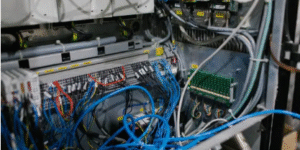
    As New Zealand continues to advance in industrial automation and smart manufacturing, the demand for robust, intelligent, and scalable control systems has never been higher. At the heart of this transformation lies Siemens PLC—a globally trusted name in programmable logic controllers (PLCs) that has established a strong presence across various New Zealand industries. From food processing and water treatment to energy, infrastructure, and manufacturing, Siemens PLC solutions are revolutionising how Kiwi industries operate.

    Siemens PLCIn this article, we examine how Siemens PLC is shaping the future of industrial automation in New Zealand, the sectors that benefit most, and why it remains the go-to choice for businesses seeking precision, adaptability, and long-term value.

    The Role of Siemens PLC in Industrial Automation

    Siemens PLC (Programmable Logic Controller) is a sophisticated control system used to automate electromechanical processes. Whether it’s controlling a conveyor belt, monitoring temperature sensors, or managing a complex robotic assembly line, Siemens PLC provides real-time processing, advanced diagnostics, and seamless integration with other systems.

    In New Zealand, where industries strive to meet international production standards while also optimising efficiency and reducing operational costs, Siemens PLC has become an essential part of the automation ecosystem. Its reliability and ability to scale according to system demands make it a powerful tool for both small operations and large industrial plants.

    Key Industries in New Zealand Leveraging Siemens PLC

    Manufacturing and Processing

    New Zealand’s manufacturing sector, particularly the food and beverage processing industry, relies heavily on consistent and reliable automation systems. Siemens PLC ensures that production lines operate smoothly, machinery communicates effectively, and downtime is minimised. Its support for real-time data and predictive maintenance helps manufacturers maintain productivity without compromising on quality.

    Water and Wastewater Management

    Local councils and utilities in New Zealand are increasingly adopting Siemens PLC systems to manage water and wastewater treatment facilities. These applications require high reliability and remote monitoring capabilities, both of which are strengths of Siemens automation systems. Siemens PLC also integrates well with SCADA systems, providing operators with visualisation tools for process control and fault detection.

    Energy and Utilities

    As New Zealand moves towards renewable energy and smarter grids, Siemens PLC plays a crucial role in energy generation, distribution, and monitoring. The system’s modular architecture and connectivity options make it ideal for integrating solar, hydro, and wind power installations with grid infrastructure, ensuring stable and efficient energy flow.

    Infrastructure and Building Automation

    From intelligent traffic control to automated HVAC systems in commercial buildings, Siemens PLC is a backbone technology for modern infrastructure projects. With the growing emphasis on sustainability and energy efficiency, intelligent automation through Siemens solutions helps reduce resource consumption and enhance user comfort in buildings and public facilities.

    The Advantages of Siemens PLC for New Zealand Businesses

    Scalability and Flexibility

    One of Siemens PLC’s standout benefits is its modular design. Businesses in New Zealand can start with a basic system and expand it as operations grow. Additional modules—whether for I/O, communications, or safety—can be integrated without disrupting existing workflows.

    Advanced Communication Capabilities

    Modern industrial environments rely on data sharing across multiple devices and systems. Siemens PLC supports a wide range of communication protocols, such as PROFINET, Ethernet/IP, Modbus, and OPC UA. It allows seamless integration into diverse industrial environments and supports the growing trend of the Industrial Internet of Things (IIoT) in New Zealand.

    User-Friendly Engineering with TIA Portal

    The Totally Integrated Automation (TIA) Portal is Siemens’ engineering framework that simplifies PLC programming, configuration, and diagnostics. For New Zealand technicians and engineers, the intuitive interface and consistent environment reduce development time and ensure more reliable system design.

    High Reliability in Harsh Conditions

    New Zealand’s varied climate, ranging from coastal humidity to alpine cold, demands equipment that can withstand environmental stress. Siemens PLC is renowned for its robust construction and consistent performance in harsh environments, making it well-suited for outdoor applications such as irrigation control, farming automation, and renewable energy installations.

    Conclusion:

    Siemens PLC has become a cornerstone of industrial automation in New Zealand. From enhancing productivity in manufacturing to supporting critical infrastructure and sustainable energy, Siemens PLC solutions are empowering businesses across the country to innovate and excel.

    As the landscape of industrial automation continues to evolve, Siemens remains committed to delivering future-ready technologies that keep New Zealand’s industries competitive on the global stage. For businesses looking to enhance control, efficiency, and integration, Siemens PLC offers a proven and professional path forward.

  • IT Companies in Adelaide South Australia: Why Partnering with an IT Company Is a Smart Move for Business Growth

    In today’s digital-driven landscape, businesses must embrace technology to stay competitive, agile, and innovative. Whether you’re a small startup or a growing enterprise in Adelaide, navigating the complex world of tech can be overwhelming. It is where IT companies step in as invaluable partners. By leveraging the wide expertise and resources of a professional IT company, businesses can achieve accelerated growth, streamline operations, and gain a strong competitive edge.

    The Evolving Role of IT in Business

    IT companies in Adelaide South AustraliaTechnology has become the backbone of modern business in Adelaide. From cloud computing and cybersecurity to software development and data analytics, IT plays a pivotal role in every aspect of operations. As technologies evolve rapidly, businesses must keep pace or risk falling behind.

    Many organisations, however, lack the internal resources or knowledge to implement and manage these technological demands efficiently. Partnering with IT companies helps bridge this gap, offering access to cutting-edge solutions and expert guidance without the need for an in-house IT department.

    Key Benefits of Partnering with IT Companies

    1. Access to Advanced Technology and Expertise

    IT companies specialise in staying ahead of the technology curve. When you partner with an IT firm, you gain full access to advanced tools, software, and infrastructure that may otherwise be unaffordable or difficult to implement. More importantly, you benefit from the knowledge of skilled professionals who are experts in various tech domains—from network security to AI integration.

    2. Scalability and Flexibility

    As your business grows, your IT needs evolve. IT companies significantly offer scalable solutions that can adapt to your business requirements. Whether you need to expand cloud storage, upgrade your cybersecurity protocols, or develop a new application, an IT partner can adjust services accordingly—without the stress of hiring and training additional staff.

    3. Enhanced Security and Compliance

    Cybersecurity threats are on the rise, and businesses are increasingly vulnerable to data breaches, ransomware, and other digital attacks. IT companies offer robust security measures, continuous monitoring, and prompt incident response to safeguard your systems and sensitive data. They also significantly ensure compliance with industry standards and regulations, helping you avoid legal penalties and reputational damage.

    4. Cost-Effective Solutions

    Hiring, training, and maintaining a full-fledged IT department can be expensive. Outsourcing IT services to a trusted partner can significantly reduce overhead costs. You pay only for the services you need when you need them, allowing you to allocate resources to other core business functions. This cost-effective model makes IT support more accessible for small and medium-sized businesses.

    5. Focus on Core Business Functions

    Technology management can be time-consuming and distracting. By outsourcing IT tasks to a professional company, business owners and employees can focus more on strategic goals, customer service, and revenue-generating activities. This increased focus drives productivity and growth. 

    Choosing the Right IT Company

    Not all IT companies are created equal. Choosing the right partner requires careful consideration. Look for companies with:

    • Proven industry experience
    • Positive client testimonials and case studies
    • A comprehensive range of services
    • Strong customer support and service level agreements (SLAs)
    • Transparent pricing and scalability options

    It’s also essential to find an IT company that understands your business goals and the unique challenges of your industry. A good partner will tailor solutions that align with your long-term objectives rather than offering generic services. 

    Real-World Impact of IT Partnerships

    Across industries, businesses in Adelaide that collaborate with IT companies report measurable benefits. Improved system reliability, faster project delivery, enhanced customer experience, and better data insights are just a few examples. Whether it’s implementing a CRM system, developing a mobile app, or setting up a secure cloud infrastructure, IT partnerships empower businesses to innovate and compete more effectively.

    Conclusion

    In a world where technology is a driving force behind business success, partnering with IT companies is not just a convenience—it’s a strategic necessity. The right IT partner provides the tools, expertise, and support needed to drive innovation, reduce costs, enhance security, and scale efficiently.

    By making the smart move to collaborate with an IT company, your business can stay ahead of technological trends, respond quickly to market changes, and focus on what you do best—growing your business. Ultimately, it’s not just about adopting technology; it’s about utilising it effectively through the power of partnership.

  • Property Managers Auckland: Your Trusted Partner in Property Success

    Managing a property can be both rewarding and demanding. For landlords, investors, and homeowners alike, the responsibilities can quickly become overwhelming, from tenant selection and rent collection to maintenance and compliance with local regulations. That’s where property managers servicing Auckland step in as indispensable partners. With Auckland’s dynamic property market, professional property management isn’t just a convenience; it’s a wise investment in the long-term success of your property.

    In this article, we’ll explore why working with property managers in Auckland is crucial, the key services they provide, and how to select the right management team to meet your needs. For more information about property managers servicing Auckland, click here.

    Why Choose Professional Property Managers in Auckland?

    property managers servicing AucklandAuckland’s real estate market is one of the most competitive and fast-moving in New Zealand. Whether you own a single residential unit or a portfolio of investment properties, professional property managers servicing Auckland bring expertise, efficiency, and peace of mind.

    Here’s why hiring a property manager makes good sense:

    • Local market knowledge: Auckland’s neighbourhoods vary widely in rental demand, tenant profiles, and market rates. Property managers understand these nuances and help set the right rental price to maximise returns.
    • Regulatory compliance: With constantly changing tenancy laws, health and safety regulations, and compliance requirements, professional managers keep you on the right side of the law.
    • Tenant screening: Property managers use rigorous screening processes to secure reliable tenants, reducing the risks of non-payment and property damage.
    • Time-saving: By outsourcing day-to-day tasks like maintenance requests, inspections, and communication, landlords can focus on their core priorities.

    Comprehensive Services Offered by Property Managers Servicing Auckland

    A top-tier property management firm provides a full suite of services designed to protect and grow your investment. Here’s what you can typically expect:

    Tenant Selection and Screening

    Selecting the right tenants is critical to long-term success. Property managers run thorough background checks, including employment verification, credit history, and references, to ensure you get responsible tenants who pay on time and respect your property.

    Marketing and Advertising

    Property managers use professional marketing strategies, including high-quality photography, compelling listings, and multi-platform advertising, to attract the right tenants quickly and minimise vacancy periods.

    Rent Collection and Financial Management

    Timely rent collection and detailed financial reporting are hallmarks of quality property management. You’ll benefit from streamlined rent payment systems, follow-up on arrears, and clear monthly and annual statements.

    Maintenance and Repairs

    Regular maintenance keeps tenants happy and preserves property value. Property managers servicing Auckland coordinate trusted tradespeople and vendors, manage repair requests, and ensure all work meets high standards.

    Property Inspections

    Routine inspections help identify issues before they become costly problems. Property managers carry out regular checks and provide detailed reports, giving you peace of mind that your property is in excellent condition.

    Legal Compliance and Dispute Resolution

    Navigating tenancy agreements, bond lodgements, and potential disputes can be complex. Professional managers are well-versed in the Residential Tenancies Act and can represent you in mediation or at the Tenancy Tribunal if needed.

    How to Choose the Right Property Managers in Auckland

    With numerous property management companies in Auckland, it’s essential to choose one that aligns with your needs and goals. Here’s what to look for:

    • Experience and reputation: Look for a firm with a proven track record in Auckland, positive client testimonials, and a strong reputation for reliability.
    • Transparent fees: A reputable property manager offers clear, upfront fee structures with no hidden costs.
    • Communication and reporting: Effective communication is key. Make sure the manager provides regular updates, responds promptly to queries, and offers user-friendly online portals for owners.
    • Tailored services: Every property is unique. Choose a manager who offers customised services that suit your specific property type and investment strategy.

    Conclusion:

    Whether you’re a seasoned investor or a first-time landlord, working with property managers servicing Auckland is one of the most intelligent decisions you can make. They provide the expertise, resources, and local knowledge you need to protect your assets, minimise stress, and achieve strong financial returns.

    As Auckland’s property market continues to evolve, having a trusted property management partner by your side isn’t just an option — it’s a competitive advantage.

  • Solar Adelaide: Harnessing the Power of the Sun

    Adelaide, the capital of South Australia, is rapidly becoming a beacon of sustainability, with solar energy leading the charge. The city’s abundant sunshine and proactive environmental policies make it an ideal location for solar power adoption. Whether you’re a homeowner, business owner, or industrial operator, embracing solar Adelaide solutions offers not only environmental benefits but also long-term economic gains. For more information about solar in Adelaide, click here.

    Why Adelaide Is Perfect for Solar Energy

    solar in AdelaideSouth Australia enjoys some of the highest solar exposure levels in the country, with Adelaide averaging over 2,500 hours of sunshine annually. This consistent sunlight makes solar systems highly effective and efficient in the region.

    In addition, government rebates, feed-in tariffs, and local incentives further sweeten the deal for those investing in solar energy. The South Australian Home Battery Scheme, for example, has been a significant driver for both residential and commercial solar uptake. By combining solar panels with battery storage, households and businesses can achieve energy independence and drastically reduce electricity bills.

    Benefits of Choosing Solar Adelaide Solutions

    Reduced Energy Costs

    One of the most immediate benefits of installing a solar system is the reduction in electricity bills. With rising energy prices in South Australia, solar energy provides a sustainable and cost-effective alternative. Most solar Adelaide installations pay for themselves within 3 to 6 years, with savings continuing for decades afterwards.

    Environmental Impact

    Switching to solar significantly reduces carbon emissions. A typical Adelaide household with a 6.6kW solar system can reduce greenhouse gas emissions by over 10 tonnes per year. This shift contributes to a cleaner, greener future for South Australia.

    Energy Independence

    Solar power allows homes and businesses to rely less on the grid, especially when paired with battery systems. During power outages or peak demand periods, solar batteries provide backup power, ensuring energy continuity.

    Increased Property Value

    Properties with solar installations are often more attractive to buyers. In Adelaide’s competitive property market, solar panels can add a modern, eco-conscious edge that appeals to environmentally-aware purchasers.

    Types of Solar Systems in Adelaide

    Adelaide offers a diverse range of solar energy systems tailored to meet the needs of various property types.

    Residential Solar Systems

    Residential systems typically range from 3kW to 10kW and are ideal for households looking to reduce utility costs. Many Adelaide homes choose systems around 6.6kW for optimal efficiency and ROI.

    Commercial Solar Systems

    30kW to 100kW systems are common for businesses. These systems help offset daytime operational costs and can be integrated with energy management systems to maximise efficiency.

    Off-grid and Hybrid Systems

    Off-grid and hybrid solar systems are popular choices in remote areas or for those seeking complete energy autonomy. These setups combine solar panels with batteries and backup generators, providing complete control over energy usage.

    What to Look for in a Solar Adelaide Provider

    Choosing the right solar installer in Adelaide is crucial for long-term satisfaction and performance. Here’s what to consider:

    • Accreditation: Always ensure your provider is accredited by the Clean Energy Council (CEC).
    • Experience: Look for companies with proven experience in designing and installing systems specific to Adelaide’s climate and regulations.
    • Warranty and Support: Reliable providers offer robust warranties on equipment and workmanship and responsive after-sales support.
    • Custom Solutions: The best solar Adelaide companies conduct on-site assessments and tailor systems to meet your specific energy needs and roof orientation.

    Government Incentives and Rebates

    The Australian government and South Australian state authorities offer several incentives to encourage the adoption of solar energy:

    • STCs (Small-Scale Technology Certificates): These reduce the upfront cost of solar installations.
    • Feed-in Tariffs: Earn credits for excess energy fed back into the grid.
    • Home Battery Scheme: This scheme offers subsidies for installing battery storage, which helps you store solar energy for use at night or during outages.

    These incentives significantly reduce the cost of switching to solar, making it accessible to more Adelaide residents and businesses.

    Conclusion:

    Investing in solar Adelaide solutions is a wise, future-focused decision for residents and businesses in Adelaide, SA. With its high solar exposure, strong governmental support, and a growing pool of experienced providers, Adelaide is uniquely positioned to lead Australia’s renewable energy revolution. By going solar, you’re not just saving on energy bills—you’re making a lasting impact on your community and the planet.