
Australia’s sunny, beach-filled lifestyle means that sandals are more than just seasonal shoes—they’re everyday essentials. Whether you’re walking along Bondi Beach, exploring Queensland’s rainforests, or strolling through Melbourne’s laneways, sandals keep your feet cool and comfortable. However, the same elements that make them ideal for Australia’s outdoor lifestyle—heat, humidity, and sand—can also wear them down quickly. With the right care, you can extend the life of your sandals and keep them looking and feeling their best for many summers to come.
Understanding Australia’s Challenging Climate for Sandals
Australia’s climate varies widely—from humid coastlines to arid inland areas—but one constant is exposure to the elements. The combination of heat, sweat, and sand can cause the breakdown of materials in sandals, such as leather, cork, and rubber. High UV levels also cause fading, drying, and cracking. Understanding how these factors affect your sandals enables you to take proactive steps to preserve their comfort and appearance.
For instance, leather sandals tend to absorb moisture, which can cause the material to warp or smell if not dried properly. Synthetic and fabric sandals, on the other hand, might fray or discolour due to prolonged exposure to sunlight. By tailoring your care routine to both the material and your environment, you can keep your footwear in top condition even through Australia’s harsh summer months.
Cleaning Sandals After a Beach or Outdoor Day
One of the most common issues in Australia is the accumulation of sand. Tiny grains can get lodged in straps and soles, wearing down materials over time. After a day at the beach, rinse your sandals thoroughly with clean, cool water to remove salt and sand. Avoid soaking them for too long, as it may weaken adhesives or cause leather soles to swell.
Use a soft brush or an old toothbrush to gently scrub away any dirt or debris. For leather sandals, wipe with a damp cloth and apply a small amount of mild soap if needed. Allow them to air dry naturally—never place them under direct sunlight or near a heater, as excessive heat can cause cracks or fading.
If your sandals are made of synthetic or rubber materials, you can wash them more thoroughly. Mix a small amount of dish soap with warm water, scrub gently, then rinse and dry in a shaded, well-ventilated area.
Preventing Odour and Moisture Build-Up
Humidity can lead to one of the most common sandal problems—odour. In tropical regions like Queensland or Darwin, sweat and trapped moisture can create the perfect environment for bacteria and mould. To prevent this, always let your sandals dry completely before wearing them again.
Sprinkle baking soda inside the footbed overnight to absorb moisture and neutralise odours. Alternatively, use natural deodorisers, such as tea tree oil spray, which also has antibacterial properties. For fabric- or foam-based sandals, place them in a breathable bag with silica gel packs to help keep them fresh between uses.
Leather sandals benefit from periodic conditioning using a leather balm or cream. It not only restores moisture lost to Australia’s dry heat but also adds a layer of protection against cracking and staining.
Protecting Sandals from Sun and Heat Damage
Australia’s UV index is among the highest in the world, which means your sandals face constant exposure to intense sunlight. Prolonged sun exposure can cause colours to fade and materials to dry out. When not in use, store your sandals in a cool, shaded spot—preferably indoors.
Consider applying a protective spray designed for your sandal’s material type. UV-resistant sprays or waterproofing treatments can form a barrier against both sun damage and accidental spills. For cork-footbed sandals, apply a cork sealer every few months to prevent the surface from drying or cracking under the heat.
Even when travelling, avoid leaving sandals inside a hot car for long periods. The trapped heat can deform soles and compromise adhesives, shortening the footwear’s lifespan.
Proper Storage for Long-Term Durability
During the cooler months, you may wear sandals less often. Proper storage ensures they’re ready to wear again once summer rolls around. Store sandals in a breathable fabric bag or a well-ventilated box. Avoid plastic containers that trap moisture, which can lead to mould or mildew—especially in coastal areas like Sydney or Brisbane.
Stuff the straps and soles with acid-free tissue paper to help maintain their shape. Keep them away from direct sunlight and damp basements. For leather or cork sandals, applying a light conditioning before storage helps keep them supple until next use.
Repairing and Refreshing Your Favourite Pairs
Even with the best care, regular wear can lead to minor scuffs, loose straps, or worn soles. Rather than replacing your sandals outright, consider repairing them—especially if they’re high-quality or made by an Australian brand known for craftsmanship. Local cobblers often specialise in resoling sandals, replacing buckles, or reconditioning leather.
If you notice early signs of wear, take action promptly. A small crack or loose stitch can be fixed easily if caught early, but left unattended, it can lead to irreversible damage. Regular inspections help you spot issues before they worsen, saving you both money and your favourite pair of summer footwear.
Final Thoughts: Keeping Sandals Ready for Every Australian Adventure
Caring for your sandals in Australia’s diverse and sometimes extreme climate doesn’t have to be complicated. A consistent routine—cleaning after use, protecting from sun damage, preventing odour, and storing correctly—can make a world of difference. With thoughtful care, your sandals can last season after season, ready for every coastal walk, barbecue, and outback getaway.
By treating your footwear with the same attention you give to your adventures, you’ll ensure your sandals remain as reliable and comfortable as the day you bought them—no matter what Australia’s weather throws your way.
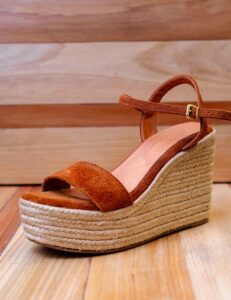 Wedges have endured in Australia’s ever-evolving fashion scene. One of the main reasons for their enduring appeal is their ability to offer height without compromising on comfort. Unlike traditional stilettos, wedges distribute weight evenly across the foot, reducing pressure on the heel and forefoot. This makes them ideal for long days spent on your feet—whether at outdoor weddings, music festivals, or retail work environments.
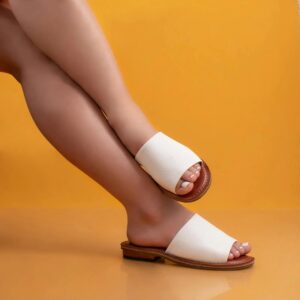 Sandals have a long history, but their role in Australian fashion has evolved significantly over the past few decades. Initially seen as purely functional for warm weather, sandals are now embraced by designers, influencers, and consumers alike as a staple piece in any wardrobe.
 Nordstrom is a popular department store that offers an extensive range of products, including clothing, shoes, accessories, cosmetics, home goods, and more. They also offer a rewards program that allows you to earn points on store purchases.
 The history of high heels goes back centuries, and they have been associated with their wearers’ social and gender positions. Today, women wear high heels for various reasons. For example, they may want to achieve a more elongated silhouette, add a touch of glitz, or alter the proportions of their outfit. Whatever their purpose, high heels can be a great way to express your unique personality.
 When purchasing a pair of women’s shoes, you should be sure to purchase a pair that fits well and is comfortable to wear. It’s also important to look for a pair that’s suitable for the type of activity you’ll be doing. A comfortable pair of shoes will ensure that you’ll be wearing them for a long period. If you want to feel confident in your choice, try the shoes on hard surfaces before buying them.