Author: Kenneth Robinson

  • Banquette Seating vs. Traditional Dining Chairs- Which Works Best for Adelaide Homes-

    Banquette Seating vs. Traditional Dining Chairs- Which Works Best for Adelaide Homes-

    When it comes to dining room design in Adelaide homes, banquette seating has emerged as a stylish alternative to the traditional dining chair setup. While chairs have long been the standard for both functionality and comfort, more homeowners in South Australia are now considering built-in seating as a way to maximise space and add character. The choice between the two often depends on lifestyle, available space, and the overall look homeowners want to achieve. Understanding the advantages and limitations of each can help Adelaide residents make an informed decision when refreshing their dining areas.

    Space Optimisation in Adelaide Homes

    One of the biggest advantages of banquette seating is its ability to maximise space in smaller dining areas, which is particularly useful in compact Adelaide properties such as inner-city apartments or townhouses in suburbs like Norwood or Prospect. By running along a wall or into a corner, banquettes eliminate the need for extra clearance behind chairs, allowing more efficient use of available square metres.

    On the other hand, traditional dining chairs often require more room for pulling out and moving around the table. It can make them less practical in tighter spaces, especially in open-plan living areas where every inch counts. However, for larger family homes in Adelaide’s outer suburbs, where spacious dining rooms are more common, the extra space required for chairs may not be an issue.

    Style and Aesthetic Appeal

    In terms of design flexibility, banquette seating offers a customisable element that can transform a dining area into a unique focal point. Upholstered in fabric or leather, banquettes can be tailored to match existing décor, from sleek modern finishes in Glenelg apartments to more traditional aesthetics in heritage homes around North Adelaide. The built-in nature also lends a sense of permanence and luxury that freestanding chairs may not achieve as easily.

    Traditional chairs, however, offer more versatility if you frequently change your interior style. They can be swapped out or reupholstered more easily than a built-in banquette. Adelaide homeowners who prefer seasonal or trend-driven updates may find chairs more practical for keeping their interiors fresh without major renovations.

    Comfort and Functionality

    Comfort is another key consideration. Banquette seating, especially when designed with plush cushioning and supportive backs, can offer a more relaxed dining experience. Families with children often find banquettes appealing because they allow more people to sit together without worrying about squeezing in extra chairs. They also create a cozy, booth-like feel reminiscent of stylish Adelaide cafés, which many homeowners find appealing for casual entertaining.

    Chairs, however, offer individual comfort and flexibility. Each diner has their own space, and chairs can be easily moved to accommodate different layouts. For formal gatherings or occasions where personal space matters, traditional chairs may still hold the upper hand. Adelaide homeowners who host frequent dinner parties may find this flexibility useful, especially when the number of guests varies.

    Maintenance and Longevity

    Practicality extends to how each option is maintained. A well-built banquette seating installation can last for years, but cleaning and upkeep can sometimes be trickier, especially if crumbs or spills fall into hard-to-reach crevices. Choosing durable fabrics or wipe-clean finishes can make a difference here.

    Dining chairs, in contrast, are generally easier to move, clean, and replace if damaged. For households that prioritise low-maintenance solutions—such as busy families in the suburbs or investment property owners furnishing rental homes—chairs may be the simpler, more cost-effective option in the long term.

    Which Works Best for Adelaide Homes?

    Ultimately, the decision between banquette seating and traditional dining chairs depends on lifestyle, design goals, and the layout of the home. For smaller dining areas in Adelaide’s inner suburbs, a banquette can dramatically improve space efficiency while adding a custom, café-inspired charm. For larger homes, traditional chairs offer flexibility and timeless appeal, especially when entertaining is a frequent activity.

    A growing trend in Adelaide is to combine both options—installing banquette seating along one side of the dining table and pairing it with chairs on the opposite side. This hybrid approach delivers the best of both worlds: efficient use of space and the flexibility of movable seating.

    Final Thoughts

    Adelaide homeowners considering a dining room refresh should weigh the unique benefits of both banquette seating and traditional chairs. While chairs remain a safe, classic choice, banquettes provide a modern, space-saving, and stylish alternative that reflects current design trends. By tailoring the decision to suit their home’s architecture and lifestyle, residents can create dining spaces that are not only functional but also a reflection of Adelaide’s evolving approach to home design.

  • Sheer Curtains- Creating a Soft, Airy Atmosphere in Any Room

    Sheer Curtains- Creating a Soft, Airy Atmosphere in Any Room

    When it comes to transforming a room’s ambience, few design elements have as much impact as the choice of window furnishings. Among the many options available, sheer curtains stand out for their ability to create a soft, light-filled, and airy atmosphere. In Adelaide, where natural sunlight plays such a big role in shaping interiors, sheer curtains have become a popular choice for both modern and traditional homes. Whether you live in a sleek city apartment or a character home in the suburbs, these versatile window treatments can instantly elevate your living spaces.


    Why Adelaide Homeowners Love Sheer Curtains

    Adelaide’s climate is characterised by long summers, plenty of sunshine, and crisp winters. This makes natural light an important feature in local home design. Sheer curtains are perfectly suited to this environment, as they filter strong sunlight into a gentle glow. Instead of blocking the light completely, they diffuse it, creating a welcoming and calming atmosphere.

    For households in coastal areas such as Glenelg or Henley Beach, sheer curtains also add to the breezy, relaxed feel of the interiors. They move softly with the wind, echoing the coastal lifestyle. Meanwhile, in suburban or hillside homes, they bring warmth and charm, making rooms feel fresh without overpowering the overall décor.


    The Soft, Airy Effect of Sheer Curtains

    One of the main reasons sheer curtains are so widely appreciated is their ability to make any room feel lighter and more spacious. The delicate, translucent fabric reduces glare while maintaining brightness, giving the impression of a bigger, more open area. This is especially useful in smaller Adelaide homes or apartments, where maximising light is key to creating a comfortable and inviting living environment.

    The softness of sheer curtains also helps balance out hard surfaces commonly found in modern interiors, such as polished concrete, stone, or glass. By adding texture and movement, they prevent a space from feeling too cold or clinical. In traditional homes, they complement timber floors, ornate trims, and heritage-style features, offering an elegant finishing touch.


    Styling Sheer Curtains in Different Rooms

    Sheer curtains can be styled to suit any room in your Adelaide home. Their adaptability makes them one of the most practical window treatment choices.

    • Living Rooms: Sheer curtains in the living area create a bright, welcoming environment ideal for entertaining or relaxing. Floor-to-ceiling sheers in neutral tones allow plenty of daylight in while softening the room’s overall look.
    • Bedrooms: In the bedroom, sheer curtains bring a romantic and restful vibe. Layering them with block-out curtains ensures privacy and light control, allowing you to enjoy a tranquil atmosphere without compromising on practicality.
    • Dining Areas: For dining rooms, sheer curtains create an intimate yet open feel, allowing guests to enjoy the setting without harsh lighting. They pair beautifully with chandeliers or pendant lights, diffusing natural and artificial light for a balanced glow.
    • Home Offices: Sheer curtains work well in home offices by letting in daylight, which boosts productivity and mood, while reducing screen glare.


    Pairing Sheer Curtains with Other Window Treatments

    While sheer curtains are stunning on their own, they’re often paired with other treatments for greater functionality. Many Adelaide homeowners install double curtain tracks to layer sheers with heavier drapes. This gives the flexibility of enjoying natural light during the day and ensuring privacy or insulation at night.

    Sheers can also be combined with roller blinds or plantation shutters. This layered approach offers the best of both worlds: softness and elegance from the sheers, plus practical light and temperature control from the secondary treatment.


    Choosing the Right Colours and Fabrics

    Selecting the right colour and fabric for your sheer curtains can dramatically influence the mood of your space. In contemporary Adelaide homes, neutral tones such as white, cream, or light grey are especially popular, as they maintain a fresh, modern feel. For more traditional interiors, warmer hues or patterned sheers can add charm and complement existing décor.

    Fabrics also matter—lightweight polyester sheers are durable and easy to maintain, while linen-look sheers offer a more organic, textured appearance. Consider the atmosphere you want to achieve and how the curtains will interact with your furniture, flooring, and wall colours.


    Conclusion

    Sheer curtains are more than just a stylish addition—they are a practical and versatile choice that enhances the comfort and atmosphere of any room. In Adelaide, where natural light and relaxed living are central to home design, they offer the perfect solution for creating spaces that feel bright, soft, and inviting.

    Whether you want to open up a small apartment, soften a modern living space, or add elegance to a traditional home, sheer curtains provide the finishing touch. By carefully selecting colours, fabrics, and layering options, you can create a warm and airy atmosphere that reflects both Adelaide’s lifestyle and your personal sense of style.

  • Shockwave Therapy: The Benefits of Non-Invasive Shockwave Therapy for Musculoskeletal Conditions

    Shockwave Therapy: The Benefits of Non-Invasive Shockwave Therapy for Musculoskeletal Conditions

    Chronic pain and musculoskeletal injuries affect millions of people across Adelaide, SA, significantly impacting their quality of life and day-to-day functioning. Traditional treatment methods, including medications, injections, and surgery, often come with side effects, extended recovery times, or limited effectiveness. In response, healthcare providers in Adelaide are increasingly turning to non-invasive shockwave therapy—a breakthrough approach that is reshaping the landscape of pain management and rehabilitation.

    Understanding Non-Invasive Shockwave Therapy

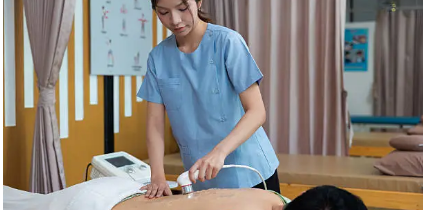
    Non-invasive shockwave therapy (SWT) is a modern, drug-free treatment that uses high-energy sound waves to stimulate healing in affected tissues. Initially developed for the fragmentation of kidney stones, shockwave technology has evolved to effectively target musculoskeletal conditions. Unlike surgical interventions, non-invasive shockwave therapy does not require incisions, anesthesia, or prolonged recovery periods. Instead, patients experience targeted treatment that encourages natural tissue repair and reduces chronic pain over multiple sessions.

    Clinicians in Adelaide are leveraging the benefits of this therapy for a wide range of conditions, including tendonitis, plantar fasciitis, calcific shoulder tendinopathy, and chronic lower back pain, by focusing energy on damaged areas. Non-invasive shockwave therapy promotes blood circulation, accelerates cell regeneration, and stimulates collagen production—crucial elements for healing musculoskeletal injuries.

    Advantages Over Traditional Pain Management Approaches

    Traditional pain management often relies on anti-inflammatory medications, corticosteroid injections, or even surgery. While these approaches can provide relief, they may also involve risks such as gastrointestinal issues, joint stiffness, prolonged rehabilitation, or postoperative complications.

    In contrast, non-invasive shockwave therapy offers several distinct advantages:

    Reduced Risk of Complications: As a non-surgical approach, SWT eliminates risks associated with anesthesia, infection, or surgical errors.

    Shorter Recovery Time: Patients typically return to normal activities faster compared to post-surgical rehabilitation timelines.

    Drug-Free Pain Relief: Shockwave therapy reduces the dependency on painkillers, minimising potential side effects or long-term medication use.

    Long-Lasting Results: By promoting natural tissue regeneration, the benefits of SWT often extend beyond temporary pain relief, addressing the underlying causes of musculoskeletal conditions.

    These advantages make non-invasive shockwave therapy an attractive option for patients seeking effective, safe, and sustainable pain management solutions in Adelaide.

    Typical Applications in Musculoskeletal Conditions

    Healthcare practitioners in Adelaide utilise non-invasive shockwave therapy to treat a variety of musculoskeletal issues. Some of the most common applications include:

    Plantar Fasciitis: Characterised by heel pain and inflammation, plantar fasciitis responds well to shockwave therapy, which stimulates healing in the plantar fascia and reduces discomfort.

    Tendinopathies, including chronic tendon injuries such as tennis elbow or Achilles tendinopathy, benefit from SWT, as it promotes collagen formation and accelerates tendon repair.

    Calcific Shoulder Tendinitis: Shockwave therapy helps break down calcium deposits in the shoulder, reducing pain and improving mobility.

    Chronic Lower Back Pain: Targeted shockwave applications can relieve persistent back pain by improving blood flow and stimulating tissue regeneration.

    Muscle Strains and Ligament Injuries: SWT aids recovery from sports-related injuries, enhancing flexibility and functional performance.

    By addressing both pain and tissue repair, non-invasive shockwave therapy provides a comprehensive solution for patients who have not experienced overall success with conventional treatments.

    What to Expect During Treatment

    A typical session of non-invasive shockwave therapy in Adelaide lasts approximately 15 to 30 minutes, depending on the severity and location of the condition being treated. The procedure is usually thoroughly performed in a clinic setting with minimal preparation required. Patients may feel mild tingling, warmth, or slight discomfort during treatment, which generally resolves immediately afterwards.

    Most treatment plans consist of multiple sessions spaced over several weeks, allowing the body to gradually repair and strengthen the affected tissues. Post-treatment, patients are often encouraged to engage in light exercises or physiotherapy to optimise results.

    Evidence-Based Effectiveness

    Research and clinical studies consistently support the efficacy of non-invasive shockwave therapy for musculoskeletal conditions. Patients report a remarkably pain reduction, improved mobility, and enhanced quality of life after completing therapy courses. Additionally, the therapy has demonstrated effectiveness in cases where conservative measures—such as rest, anti-inflammatory medication, or physiotherapy—have failed.

    Conclusion:

    Non-invasive shockwave therapy is transforming pain management in Adelaide, SA, by offering a safe, effective, and drug-free solution for a wide range of musculoskeletal conditions. By completely targeting the root causes of pain and stimulating natural tissue repair, this innovative therapy not only alleviates discomfort but also promotes long-term healing and improved mobility. For patients seeking an alternative to medications or invasive procedures, non-invasive shockwave therapy represents a breakthrough approach that is reshaping the future of musculoskeletal care in Adelaide.

  • Bespoke Builder Adelaide Ensures a Seamless and Personalised Home-Building Experience

    Bespoke Builder Adelaide Ensures a Seamless and Personalised Home-Building Experience

    Building a home is one of the most significant investments you can make, both financially and emotionally. The process can be complex, involving numerous decisions, timelines, and contractors. In Adelaide, SA, homeowners seeking a truly tailored experience increasingly turn to a full service bespoke builder. By offering end-to-end services, these builders ensure a seamless, stress-free journey, resulting in a home that reflects your lifestyle, preferences, and vision.

    The Advantage of a Personalised Approach

    Unlike traditional builders who often work from standardised designs, a full-service bespoke builder specialises in creating homes tailored to individual needs. Every aspect of your home—from layout and materials to interior finishes and landscaping—can be customised. This approach enables you to express your personality in every room, ensuring that the home is both functional and aesthetically pleasing.

    A bespoke builder takes the time to understand your lifestyle, family requirements, and long-term goals. This personal attention is particularly valuable in Adelaide, where homeowners often want to maximise natural light, integrate sustainable building practices, or create seamless indoor-outdoor living spaces suited to the city’s climate.

    End-to-End Project Management

    One of the most compelling reasons to hire a full-service bespoke builder is the comprehensive project management they provide. Coordinating multiple contractors, sourcing materials, and staying on schedule can be overwhelming for homeowners. A full-service builder acts as the central point of contact, managing every stage of the build—from initial design consultations to final handover.

    This level of oversight minimises delays and miscommunication, ensuring the project runs smoothly. Homeowners can have peace of mind knowing that an experienced team is supervising every detail, maintaining quality control, and adhering to timelines.

    Expert Design Collaboration

    A full-service bespoke builder often collaborates closely with architects, interior designers, and landscape specialists. This collaboration allows for a cohesive design that integrates structural and aesthetic elements seamlessly. In Adelaide, where architectural styles vary from modern minimalism to classic heritage-inspired homes, such expertise is invaluable.

    By working with design professionals, homeowners benefit from expert advice on space utilisation, energy efficiency, and material selection. This collaboration ensures that every aspect of the home contributes to a harmonious, functional living environment while reflecting your taste.

    Custom Solutions for Unique Requirements

    Every homeowner has unique requirements that standard builders may struggle to accommodate, whether it’s a home office, a gym, a wine cellar, or a home theatre. A full-service bespoke builder can design and execute custom solutions that suit your specific needs.

    In addition, bespoke builders can address practical concerns such as accessibility, storage optimisation, and future-proofing. These tailored solutions not only enhance the home’s livability but also increase its long-term value.

    Quality Assurance and Craftsmanship

    Quality is a hallmark of bespoke building. A full-service bespoke builder in Adelaide takes pride in selecting premium materials, hiring skilled tradespeople, and adhering to rigorous construction standards. Unlike volume builders who may prioritise speed over craftsmanship, bespoke builders emphasise attention to detail.

    This commitment to quality ensures that every element of your home—from structural integrity to finishing touches—is executed to perfection. The meticulous craftsmanship not only enhances the home’s visual appeal but also contributes to its longevity and durability, thereby protecting your investment for years to come.

    Seamless Communication and Transparency

    Effective communication is critical to a successful home-building experience. A full-service bespoke builder provides a single point of contact, ensuring that you are informed at every stage of the project. Regular updates, progress reports, and open channels of communication allow homeowners to make informed decisions without feeling overwhelmed.

    Transparency in budgeting and scheduling is another key advantage. Full-service builders provide detailed estimates and clearly outline timelines, minimising the risk of unexpected costs or delays. This clarity fosters trust and confidence, ensuring that the building process remains collaborative rather than stressful.

    Conclusion:

    Choosing a full-service bespoke builder in Adelaide, SA, is an investment in quality, personalisation, and peace of mind. These builders offer a unique combination of design expertise, comprehensive project management, and meticulous craftsmanship, ensuring that every detail of your home aligns with your vision.

    From initial consultations to the final handover, a full-service bespoke approach delivers a seamless, stress-free experience while creating a home that is truly tailored to you. For homeowners who value individuality, quality, and efficiency, a bespoke builder provides the ultimate pathway to realising a dream home that stands out in both beauty and functionality.

  • Bale Wrap How Discounted Bale Wrap Can Reduce Costs Without Compromising Quality

    Bale Wrap How Discounted Bale Wrap Can Reduce Costs Without Compromising Quality

    In the modern agricultural landscape, Australian farmers are constantly seeking strategies to maximise efficiency, reduce operational costs, and maintain high-quality outputs. One often overlooked yet impactful solution is the use of discounted bale wrap. While cost-effective, these products can deliver the same level of performance as standard bale wraps, providing an opportunity for farms to optimise their resource allocation without sacrificing quality.

    Understanding the Role of Bale Wrap in Modern Farming

    Bale wrap is a critical component in the preservation of silage, hay, and other feedstocks. It protects bales from environmental factors, including moisture, UV exposure, and microbial contamination. Properly wrapped bales ensure that livestock receive high-quality feed throughout the year, preventing spoilage and minimising waste.

    Traditionally, premium bale wraps come at a high cost, which can strain budgets—especially for large-scale operations. Here, discounted bale wrap offers a viable alternative. By selecting cost-effective yet reliable options, farmers can maintain operational efficiency while significantly reducing expenditure on consumables.

    The Economic Benefits of Discounted Bale Wrap

    Investing in discounted bale wrap can provide immediate financial relief. On large farms, wrapping hundreds or thousands of bales each season can represent a substantial portion of operational costs. Opting for discounted options allows farms to:

    Lower input costs: Savings from discounted bale wrap can be redirected toward other essential farm activities, such as machinery maintenance or livestock care.

    Improve cash flow: Reduced expenditure on bale wrap frees up working capital, helping farmers manage seasonal cash flow more effectively.

    Scale operations efficiently: Cost savings may allow for the expansion of silage production without incurring significant additional expenses.

    Importantly, discounted bale wrap does not automatically equate to lower performance. Many suppliers offer wraps at a reduced price due to bulk discounts, overstock, or seasonal promotions, without compromising quality.

    Ensuring Quality with Cost-Effective Solutions

    While cost savings are appealing, farmers must maintain the integrity of their feed. Discounted bale wrap can match the performance of premium options if chosen carefully. Key factors to consider include:

    Material thickness and durability: Thicker wraps tend to be more resistant to tears and punctures, providing better protection for stored feed.

    UV resistance: Australian conditions can be harsh, with intense sunlight causing degradation in low-quality films. Ensure that discounted wraps have adequate UV protection.

    Stretchability and cling properties: A wrap that stretches properly and adheres to itself ensures airtight bales, preventing oxygen exposure and spoilage.

    By prioritising these quality metrics, farmers can confidently use discounted bale wrap without compromising the longevity and nutritional quality of their feed.

    Environmental Advantages of Effective Bale Wrapping

    Beyond economic benefits, choosing the right bale wrap—including discounted options—can support sustainable farming practices. Efficiently wrapped bales reduce feed spoilage, minimising the need for additional crops and conserving natural resources such as water, soil, and fertilisers. Moreover, some discounted bale wraps are manufactured from recyclable materials, further reducing environmental impact.

    Farmers who adopt cost-effective bale wrapping strategies contribute to a more sustainable agricultural cycle by optimising resource use, lowering waste, and decreasing the environmental footprint of livestock operations.

    Strategic Sourcing and Supplier Relationships

    One of the keys to maximising farm efficiency with discounted bale wrap is sourcing from reputable suppliers. Building strong relationships with suppliers can yield several advantages:

    Access to bulk discounts: Long-term partnerships may unlock better pricing for large-volume purchases.

    Early awareness of promotions: Established suppliers often provide advance notice of discounted stock, allowing farms to plan purchases strategically.

    Technical support and guidance: Reputable suppliers can offer recommendations on wrap selection, application techniques, and storage practices to ensure maximum performance.

    Farmers who approach discounted bale wrap as a strategic purchase rather than a budget compromise can secure both cost savings and high-quality feed protection.

    Conclusion:

    In the competitive Australian farming sector, efficiency and sustainability are essential to profitability. Discounted bale wrap represents a practical solution for farmers seeking to reduce costs without compromising quality. By selecting high-quality discounted wraps, sourcing strategically, and implementing best practices in application, farms can safeguard feedstock, enhance operational efficiency, and improve overall profitability.

    Ultimately, embracing cost-effective bale wrapping is not merely about spending less—it is about investing smartly. Farms that integrate discounted bale wrap into their operations position themselves to thrive in a landscape where both financial prudence and feed quality are crucial to success.

  • Silage Plastic: Government Regulations and Guidelines for Use in Australia

    Silage Plastic: Government Regulations and Guidelines for Use in Australia

    In the agricultural landscape of Australia, silage plastic plays a crucial role in preserving forage quality, enabling farmers to optimise livestock nutrition and productivity. However, with the growing use of silage plastic, concerns surrounding environmental impact, waste management, and safe application have led to the implementation of specific government regulations and guidelines. These frameworks ensure that while farmers benefit from silage plastic’s advantages, the environmental footprint is minimised, and public safety is maintained.

    Understanding Silage Plastic and Its Importance in Australian Agriculture

    Silage plastic is a specialised film used to wrap and cover forage crops such as grass, corn, and legumes, creating anaerobic conditions necessary for fermentation. This preservation technique locks in nutrients and prevents spoilage, making it indispensable for Australian farmers, especially in regions with variable climatic conditions. The durability and oxygen barrier properties of silage plastic directly affect the quality of silage, influencing animal health and farm profitability.

    Yet, the widespread use of silage plastic introduces challenges, primarily related to disposal and environmental contamination. As such, government oversight has become necessary to guide sustainable practices within the industry.

    Regulatory Framework Governing Silage Plastic in Australia

    The regulation of silage plastic use in Australia falls under several federal and state jurisdictions, addressing aspects from product standards to waste management and environmental protection. Key regulations include:

    • Australian Packaging Covenant (APC): A voluntary initiative backed by the federal government encouraging businesses to reduce packaging waste, including agricultural plastics like silage wrap. Participants commit to improving recycling rates and reducing environmental harm.
    • State Environmental Protection Policies (EPPs): Each Australian state enforces specific policies governing waste disposal and pollution control. These policies regulate the handling and disposal of silage plastic to prevent soil and water contamination.
    • Biosecurity and Agricultural Regulations: Controls on the import, manufacture, and use of agricultural plastics ensure products meet safety standards and do not introduce harmful contaminants or pests.

    Farmers and agribusinesses are expected to comply with these regulations while adopting best practices to align with sustainability goals.

    Guidelines for Safe and Sustainable Use of Silage Plastic

    Beyond legal requirements, government bodies such as the Department of Agriculture, Water and the Environment (DAWE) and state agricultural departments provide guidelines to optimise the use and disposal of silage plastic:

    1. Proper Application: Guidelines emphasise correct wrapping techniques, ensuring adequate overlap and tension to prevent air ingress and moisture penetration. This practice maximises silage quality and reduces the likelihood of plastic waste due to failed wraps.
    2. Waste Collection and Recycling Programs: Australia has pioneered several regional silage wrap recycling initiatives where farmers can return used plastic for processing. The government encourages participation in these programs to divert silage plastic from landfills and waterways.
    3. Environmental Best Practices: Recommendations include avoiding burning silage plastic, which releases harmful toxins, and minimising plastic residue left in fields, which can threaten wildlife and degrade soil health.
    4. Record-Keeping and Reporting: Agricultural operators are advised to maintain records of plastic usage and disposal, supporting traceability and compliance monitoring.

    Challenges and Future Directions in Regulation

    While the current regulations and guidelines have improved the responsible use of silage plastic, challenges remain. The vast rural geography of Australia can make collection and recycling logistics difficult and costly. Additionally, the environmental persistence of plastic materials requires ongoing innovation to develop biodegradable or more easily recyclable alternatives.

    To address these challenges, the Australian government continues to invest in research and development programs aimed at:

    • Biodegradable Silage Plastic: Encouraging manufacturers to create silage wrap options that degrade naturally without harming crops or soil.
    • Enhanced Recycling Infrastructure: Expanding rural access to recycling centres and improving transportation networks to support widespread plastic waste collection.
    • Farmer Education and Support: Launching campaigns to increase awareness of proper silage plastic use and disposal, coupled with incentives for adopting environmentally friendly practices.

    Conclusion: Balancing Agricultural Efficiency and Environmental Responsibility

    Silage plastic remains an essential tool in Australian agriculture, helping farmers preserve valuable forage and maintain livestock productivity. Government regulations and guidelines play a vital role in ensuring that this agricultural innovation is used responsibly, balancing economic benefits with environmental stewardship. By adhering to these frameworks and embracing emerging technologies, Australian farmers can continue to harness the advantages of silage plastic while protecting the natural resources that underpin their industry.

    The future of silage plastic in Australia depends not only on regulatory oversight but also on collaboration between government, industry, and farmers to drive sustainable agricultural practices that safeguard the environment for generations to come.

  • Baler Twine How Australian Regulations Affect the Use and Import of Baler Twine

    Baler Twine How Australian Regulations Affect the Use and Import of Baler Twine

    In the vast and diverse agricultural landscape of Australia, the use of baler twine is essential for efficient farming operations. Baler twine Australia Australia plays a crucial role in binding hay, straw, and other crops into manageable bales. However, the import, use, and disposal of baler twine are subject to a complex regulatory environment designed to ensure environmental safety, product quality, and industry standards. Understanding how Australian regulations affect baler twine helps farmers, suppliers, and importers navigate legal requirements and adopt best practices that benefit both their businesses and the environment.

    Regulatory Framework Governing Baler Twine Australia

    Australia’s agricultural import and product use regulations stem from several government bodies, including the Department of Agriculture, Water and the Environment (DAWE), the Australian Competition and Consumer Commission (ACCC), and local environmental authorities. The regulations focus on aspects such as biosecurity, material safety, environmental impact, and trade compliance.

    The importation of baler twine into Australia is tightly regulated to prevent biosecurity risks. Twine made from synthetic or natural fibres could carry contaminants or invasive species if not properly treated. Consequently, importers must comply with strict packaging and inspection protocols overseen by DAWE, ensuring that all imported baler twine meets Australian biosecurity standards before entering the supply chain.

    Material Standards and Product Safety

    One significant regulatory consideration for baler twine Australia is product quality and safety standards. The Australian Standard AS 4386-2004 specifies requirements for the mechanical performance of baler twine used in agricultural settings. These standards help maintain bale integrity, reduce equipment damage, and ensure safety for operators.

    Producers and importers must ensure their baler twine products comply with these standards. Non-compliance can lead to costly recalls, damaged reputations, and operational disruptions. The ACCC also monitors product claims and advertising, ensuring that suppliers provide accurate information about tensile strength, UV resistance, and biodegradability of baler twine products.

    Environmental Regulations Impacting Baler Twine Use

    Environmental sustainability is a major focus in Australian agricultural regulations, influencing the choice and disposal of baler twine. Many Australian states have introduced guidelines that encourage or mandate the use of biodegradable or recyclable baler twine to reduce plastic pollution in farmlands and waterways.

    Disposal of baler twine is a particular concern. Traditional polypropylene twine, if left in fields or dumped improperly, can harm wildlife and contribute to microplastic pollution. To combat this, several local councils and agricultural organisations promote recycling programs specifically for used baler twine Australia-wide. Some regions even prohibit the burning or landfill disposal of baler twine, pushing farmers toward more sustainable disposal options.

    Import Tariffs and Trade Policies Affecting Baler Twine Australia

    Trade policies and tariffs can also influence the cost and availability of baler twine in Australia. Since much baler twine is imported, primarily from countries like China and the United States, changes in trade agreements or tariffs directly affect pricing.

    The Australian government’s tariff schedules categorise baler twine under specific customs codes, with duties depending on the material composition and country of origin. Recent trade negotiations aim to reduce import barriers for agricultural inputs, including baler twine, to support the farming sector’s competitiveness.

    However, importers must stay informed on shifting trade policies, as sudden tariff changes or import restrictions can disrupt supply chains. This calls for close collaboration between importers, customs brokers, and regulatory bodies to maintain compliance while managing cost-efficiency.

    Innovations and Regulatory Trends Shaping the Future of Baler Twine in Australia

    As environmental concerns gain prominence, Australian regulations are evolving to support greener alternatives in baler twine use. Biodegradable and photodegradable twines are gaining regulatory favour, backed by guidelines encouraging their adoption through subsidies or certification programs.

    Government-funded research initiatives are also underway to develop twine materials that combine strength, durability, and environmental friendliness. Regulatory frameworks are adapting to ensure these innovations meet safety and performance standards before widespread adoption.

    Moreover, digital traceability requirements are emerging to improve supply chain transparency for agricultural products, including baler twine. These measures help verify compliance with environmental and trade regulations while building consumer confidence.

    Practical Tips for Farmers and Importers Regarding Baler Twine Australia Regulations

    1. Stay Informed on Import Requirements: Importers should regularly check DAWE updates on biosecurity protocols to ensure smooth customs clearance for baler twine shipments.
    2. Choose Certified Products: Opt for baler twine products compliant with AS 4386-2004 standards to guarantee safety and durability.
    3. Adopt Sustainable Disposal Practices: Participate in local recycling programs and avoid improper disposal methods that violate environmental regulations.
    4. Monitor Trade Policy Changes: Maintain communication with trade experts to anticipate tariff shifts affecting baler twine pricing and availability.
    5. Consider Eco-Friendly Alternatives: Explore biodegradable or photodegradable twine options to align with evolving environmental regulations and reduce ecological impact.

    Australian regulations governing the use and import of baler twine reflect a balance between supporting agricultural productivity and protecting the environment. By understanding these regulatory frameworks, farmers and importers can ensure compliance, improve operational efficiency, and contribute to a sustainable agricultural future. As the industry advances, staying ahead of regulatory trends and innovations will be key to thriving in Australia’s dynamic farming sector.

  • Kite Boarding The Thrilling Water Sport Everyone Wants to Try

    Kite Boarding The Thrilling Water Sport Everyone Wants to Try

    In recent years, kite boarding has captured the attention of adventure seekers, fitness enthusiasts, and beachgoers in Auckland. Combining the excitement of surfing, the technique of wakeboarding, and the aerial thrill of paragliding, kite boarding—also known as kite surfing—has quickly evolved from a niche activity into one of the most sought-after water sports.

    What Is Kite Boarding?

    At its core, kite boarding is a wind-powered surface water sport where riders stand on a board and are pulled across the water by a large, controllable kite. It offers a full-body workout while delivering an unmatched adrenaline rush. Riders can perform jumps, tricks, and ride waves or flat water, depending on their skill level and the conditions. The versatility and challenge of kite boarding are what make it so appealing to both beginners and seasoned athletes.

    The Rising Popularity of Kite Boarding

    So why is kite boarding becoming so popular? Several factors are contributing to its rise:

    1. Adventure and Freedom on the Water

    Unlike many traditional water sports, kite boarding gives riders the unique sensation of flying. With a powerful kite and strong wind, athletes can launch themselves high into the air, performing impressive tricks and floating over waves. This sense of freedom and flight is what many describe as “addictive.” Once you experience the lift, it’s hard to go back.

    2. Increased Accessibility

    One of the key reasons kite boarding is growing rapidly is that it has become more accessible. In the past, specialised gear was expensive, and lessons were limited to certain coastal regions. Today, more schools offer professional kite boarding lessons, rental gear is widely available, and equipment is more affordable and safer than ever. Whether you’re a tourist visiting a beach town or a local looking to try something new, getting into kite boarding has never been easier.

    3. Global Kite Boarding Destinations

    Kite boarding hotspots have sprung up around the world—from the crystal-clear waters of the Philippines and Brazil to the windy beaches of South Africa and Australia. These global destinations not only offer ideal weather conditions but also attract vibrant communities of kite boarders who share knowledge, tips, and a passion for the sport. This international exposure has helped kiteboarding reach a broader audience and inspired travel lovers to chase the wind across the globe.

    Health and Fitness Benefits

    Besides the thrill, kite boarding offers numerous physical and mental health benefits:

    Full-body workout: From holding the kite to balancing on the board, the sport engages your arms, legs, core, and back.

    Improved coordination: Controlling the kite and board simultaneously sharpens your reflexes and hand-eye coordination.

    Cardiovascular health: Riding against the wind and waves increases your heart rate and boosts stamina.

    Mental clarity: The focus required and the connection to nature help reduce stress and improve overall mental well-being.

    These benefits make kite boarding a fun yet effective way to stay in shape and feel more connected to the outdoors.

    A Sport for All Skill Levels

    Many believe kite boarding is only for extreme athletes, but this is far from the truth. Thanks to modern advancements in kite technology and safety features, people of all ages and fitness levels can enjoy the sport. Beginners can start with flatwater sessions, learn kite control on the beach, and gradually build confidence before hitting the waves. Certified instructors guide new riders through safety procedures, launch techniques, and wind reading, making the learning process smooth and rewarding.

    Community and Culture

    Kite boarding also boasts a strong, welcoming community. Whether you’re at a local beach or an international kite spot, you’re likely to meet passionate riders eager to share experiences and advice. Events, competitions, and social gatherings bring the community together and further amplify the appeal of kite boarding. This supportive culture makes the sport even more enjoyable, especially for newcomers looking to connect with like-minded people.

    Final Thoughts

    There’s no denying that kite boarding has become one of the most thrilling and fast-growing water sports in Auckland. With its blend of excitement, accessibility, health benefits, and eco-friendliness, it’s easy to see why everyone wants to give it a try. Whether you’re chasing wind across exotic beaches or learning the ropes in your local bay, kite boarding offers an unforgettable experience every time you ride.

    So, if you’re looking for a sport that challenges your body, clears your mind, and gives you the feeling of flying, kite boarding might be your next great adventure.

  • Invisalign Adelaide Patient Stories Transforming Smiles in South Australia

    Invisalign Adelaide Patient Stories Transforming Smiles in South Australia

    Across Adelaide, individuals have shared inspiring stories of transformation, highlighting how this innovative treatment fits seamlessly into modern lifestyles while delivering outstanding results. From young professionals to busy parents, Invisalign provides a solution tailored to a variety of dental needs, making it one of the most sought-after orthodontic treatments in the region.

    Invisalign Adelaide has transformed the way residents in South Australia approach orthodontic care. Offering a discreet, comfortable, and highly effective alternative to traditional braces, Invisalign has helped countless patients achieve straighter teeth and renewed confidence.

    Real Patient Transformations in Adelaide

    Sarah’s Journey: From Self-Conscious to Confident

    Sarah, a 28-year-old professional living in Adelaide, had long been self-conscious about her misaligned teeth. She often avoided smiling in photos and felt hesitant during professional interactions. Traditional braces were not an appealing option due to their visibility and potential discomfort.

    After consulting with an Invisalign Adelaide specialist, Sarah decided to begin treatment. The custom-made clear aligners allowed her to straighten her teeth discreetly, with minimal interruption to her daily routine. Over the course of her treatment, she noticed significant improvement in her smile. Beyond the physical transformation, Sarah experienced a boost in confidence, participating more actively in social and professional settings. Her story demonstrates how Invisalign can improve not only dental appearance but also overall self-esteem.

    Jason’s Story: Addressing Complex Dental Challenges

    Jason, a 35-year-old teacher from Adelaide, faced more complex dental issues, including overcrowding and a misaligned bite. With a busy schedule and an active lifestyle, traditional braces were not practical. After consulting with an Invisalign Adelaide provider, he began a treatment plan customised to his specific needs.

    The clear aligners gradually corrected his overcrowding and bite misalignment, allowing him to maintain a normal lifestyle throughout the process. In addition to improving the appearance of his teeth, Jason noticed enhanced oral hygiene and easier cleaning. His story highlights how Invisalign can effectively address even more challenging dental concerns, providing practical, flexible solutions for adults seeking orthodontic care.

    Emily’s Experience: Quick Results with Minimal Disruption

    Emily, a 24-year-old Adelaide university student, wanted to straighten her teeth without interrupting her studies. She chose Invisalign Adelaide for its discreet and flexible approach. Within just a few months, Emily noticed visible improvements, which encouraged her to stay consistent with wearing her aligners.

    Emily’s experience shows that Invisalign can fit into the lives of busy students or professionals who need a solution that won’t disrupt their daily schedules. The removable aligners allowed her to eat freely, clean her teeth thoroughly, and continue attending university events without feeling self-conscious about braces.

    The Invisalign Adelaide Advantage

    Discreet and Comfortable Treatment

    One of the main reasons patients in Adelaide choose Invisalign is its near-invisibility. Adults and teens alike appreciate that the aligners are smooth, clear, and custom-fitted, reducing discomfort and irritation. Unlike traditional braces, Invisalign provides an orthodontic solution that allows patients to smile confidently throughout their treatment.

    Convenience and Flexibility

    Invisalign aligners are removable, offering unmatched convenience. Patients can enjoy their favourite foods, maintain regular oral hygiene, and continue participating in daily activities without restrictions. This flexibility appeals particularly to busy professionals, parents, and students in Adelaide who want effective treatment that does not interfere with their lifestyle.

    Proven Effectiveness

    Adelaide patients consistently report high satisfaction with Invisalign, praising both the visible improvements in their teeth and the positive impact on their confidence. From mild alignment issues to complex bite corrections, Invisalign delivers predictable, high-quality results, making it a reliable solution for a wide range of dental concerns.

    Choosing the Right Invisalign Provider in Adelaide

    Selecting a qualified provider is essential for achieving optimal results. Adelaide is home to many reputable dental clinics specialising in Invisalign treatments. Patients are encouraged to seek professionals experienced in managing diverse cases and who can offer a personalised approach.

    During consultations, patients receive thorough assessments and treatment plans tailored to their specific needs. Experienced providers guide patients through every stage, from initial impressions to the final aligner stages, ensuring a smooth, effective treatment experience. By choosing a trusted clinic, patients can feel confident that their Invisalign journey will be safe, efficient, and successful.

    Conclusion

    Invisalign Adelaide has reshaped the orthodontic landscape in South Australia. Offering a modern, discreet, and effective alternative to traditional braces, it allows patients to achieve straighter teeth without disrupting their lives. The stories of individuals like Sarah, Jason, and Emily illustrate the transformative impact Invisalign can have on dental health, appearance, and self-confidence.

    For Adelaide residents considering orthodontic treatment, exploring Invisalign with a qualified provider offers a pathway to a healthier, more confident smile. With personalised care, advanced technology, and a flexible treatment approach, Invisalign continues to help patients across South Australia achieve the smiles they’ve always dreamed of. Whether addressing minor misalignment or more complex dental challenges, Invisalign Adelaide provides a solution that combines convenience, comfort, and exceptional results.

  • Bale Wrap Choosing the Right Material for Different Crops

    Bale Wrap Choosing the Right Material for Different Crops

    When it comes to preserving feed quality on Australian farms, bale wrap plays a critical role. From coastal dairy farms to inland sheep stations, the right choice of wrap can determine how well your silage or hay maintains its nutritional value. But with varying crops, climates, and storage conditions across the country, selecting the ideal bale wrap isn’t as straightforward as picking the cheapest roll. This guide explores how to choose the best material for different crops to maximise preservation and efficiency in Australian farming conditions.

    Understanding the Role of Bale Wrap

    In Australia’s diverse farming environments, bale wrap isn’t just a protective covering—it’s a preservation tool. Its primary function is to shield bales from oxygen, moisture, and sunlight, reducing spoilage and fermentation losses. Given the range of climates—from the humid north to the dry, hot south—farmers need to select wraps that match both their crop type and environmental conditions.

    Silage, for example, benefits from high-oxygen barrier films that encourage anaerobic fermentation, while dry hay requires UV-resistant wraps to withstand months of sun exposure. Choosing incorrectly can lead to nutrient loss, mould growth, or even total feed waste.

    Matching Bale Wrap to Different Crop Types

    1. Silage Crops

    For maise, ryegrass, and lucerne silage, oxygen exclusion is the top priority. In these cases, a multi-layer co-extruded polyethylene wrap is highly recommended. The multiple layers provide excellent puncture resistance and airtight sealing, which is crucial for proper fermentation.

    In regions like Victoria’s Gippsland or Tasmania, where silage is often stored for extended periods, a thicker wrap—around 25 microns per layer—is ideal. This ensures durability even if bales are stacked outdoors in variable weather.

    2. Dry Hay

    Hay doesn’t require fermentation but does need protection from moisture and UV rays. In areas like New South Wales’ Riverina, where sunlight can be intense, UV-stabilised bale wrap offers the best longevity. Look for wraps rated for at least 12 months of UV exposure, especially if storage conditions are not shaded.

    Because hay bales are lighter than silage bales, farmers can opt for slightly thinner films without compromising protection. However, edge-to-edge coverage is vital to prevent water ingress during heavy rains.

    3. Straw and Crop Residues

    Straw from wheat or barley, as well as crop residues like canola stalks, are often used for bedding or supplementary feed. While these materials are less moisture-sensitive than silage or hay, they still benefit from a wrap that keeps them clean and dry.

    For straw, a cost-effective single-layer or two-layer wrap may be sufficient, particularly in low-rainfall zones of South Australia and Western Australia. In wetter areas, however, a higher-grade bale wrap with moisture resistance will prevent mould development.

    Climate Considerations in Australia

    Australia’s climate plays a huge role in bale wrap performance. In the tropics, high humidity can challenge even the best wraps, making moisture barrier properties essential. Meanwhile, in the arid interior, wraps must withstand high daytime temperatures and UV exposure without degrading.

    Seasonal timing also matters. For example, wrapping bales during cooler parts of the day in hot regions can improve seal integrity, as excessive heat can cause wrap tension to relax after application.

    Key Factors to Consider Before Purchasing Bale Wrap

    1. Thickness and Layer Count – Silage typically requires 6–8 layers of 25-micron film, while hay and straw can make do with fewer layers.
    2. UV Resistance – Ensure the wrap is rated for your storage duration and location’s sunlight intensity.
    3. Stretchability – A wrap with consistent stretch ensures tight seals and reduces air pockets.
    4. Puncture Resistance – For bales stored in paddocks or near livestock, high puncture resistance is essential to prevent spoilage.
    5. Environmental Impact – Some Australian suppliers now offer recyclable bale wrap or bio-based materials to reduce farm waste.

    Innovations in Bale Wrap Technology

    In recent years, Australian farmers have had access to advanced wraps designed with sustainability in mind. Bio-based bale wrap made from renewable materials and high-barrier films that require fewer layers is gaining popularity. These not only reduce plastic waste but can also lower wrapping costs without sacrificing quality.

    Manufacturers are also producing wraps tailored for automated bale wrapping machines, ensuring uniform application and reducing the chance of weak spots. This is particularly beneficial for larger-scale operations in grain and dairy regions.

    Final Thoughts

    Choosing the right bale wrap for different crops in Australia is a decision that impacts feed quality, farm efficiency, and overall profitability. The key is matching your wrap type to your crop’s preservation needs and your region’s climate challenges. Whether it’s oxygen-tight multi-layer films for silage, UV-protected wraps for hay, or cost-effective options for straw, the right choice ensures your hard-earned harvest stays in top condition until it’s needed.

    By considering crop type, climate, and storage conditions, Australian farmers can make confident, informed choices—turning bale wrap from a simple farm supply into a vital investment in productivity and sustainability.