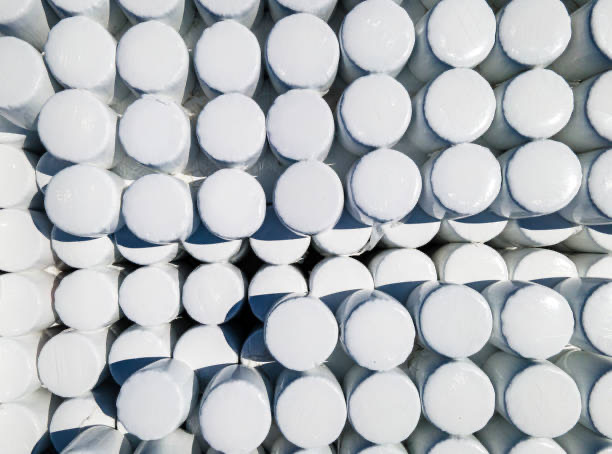
When it comes to preserving feed quality on Australian farms, bale wrap plays a critical role. From coastal dairy farms to inland sheep stations, the right choice of wrap can determine how well your silage or hay maintains its nutritional value. But with varying crops, climates, and storage conditions across the country, selecting the ideal bale wrap isn’t as straightforward as picking the cheapest roll. This guide explores how to choose the best material for different crops to maximise preservation and efficiency in Australian farming conditions.
Understanding the Role of Bale Wrap
In Australia’s diverse farming environments, bale wrap isn’t just a protective covering—it’s a preservation tool. Its primary function is to shield bales from oxygen, moisture, and sunlight, reducing spoilage and fermentation losses. Given the range of climates—from the humid north to the dry, hot south—farmers need to select wraps that match both their crop type and environmental conditions.
Silage, for example, benefits from high-oxygen barrier films that encourage anaerobic fermentation, while dry hay requires UV-resistant wraps to withstand months of sun exposure. Choosing incorrectly can lead to nutrient loss, mould growth, or even total feed waste.
Matching Bale Wrap to Different Crop Types
1. Silage Crops
For maise, ryegrass, and lucerne silage, oxygen exclusion is the top priority. In these cases, a multi-layer co-extruded polyethylene wrap is highly recommended. The multiple layers provide excellent puncture resistance and airtight sealing, which is crucial for proper fermentation.
In regions like Victoria’s Gippsland or Tasmania, where silage is often stored for extended periods, a thicker wrap—around 25 microns per layer—is ideal. This ensures durability even if bales are stacked outdoors in variable weather.
2. Dry Hay
Hay doesn’t require fermentation but does need protection from moisture and UV rays. In areas like New South Wales’ Riverina, where sunlight can be intense, UV-stabilised bale wrap offers the best longevity. Look for wraps rated for at least 12 months of UV exposure, especially if storage conditions are not shaded.
Because hay bales are lighter than silage bales, farmers can opt for slightly thinner films without compromising protection. However, edge-to-edge coverage is vital to prevent water ingress during heavy rains.
3. Straw and Crop Residues
Straw from wheat or barley, as well as crop residues like canola stalks, are often used for bedding or supplementary feed. While these materials are less moisture-sensitive than silage or hay, they still benefit from a wrap that keeps them clean and dry.
For straw, a cost-effective single-layer or two-layer wrap may be sufficient, particularly in low-rainfall zones of South Australia and Western Australia. In wetter areas, however, a higher-grade bale wrap with moisture resistance will prevent mould development.
Climate Considerations in Australia
Australia’s climate plays a huge role in bale wrap performance. In the tropics, high humidity can challenge even the best wraps, making moisture barrier properties essential. Meanwhile, in the arid interior, wraps must withstand high daytime temperatures and UV exposure without degrading.
Seasonal timing also matters. For example, wrapping bales during cooler parts of the day in hot regions can improve seal integrity, as excessive heat can cause wrap tension to relax after application.
Key Factors to Consider Before Purchasing Bale Wrap
- Thickness and Layer Count – Silage typically requires 6–8 layers of 25-micron film, while hay and straw can make do with fewer layers.
- UV Resistance – Ensure the wrap is rated for your storage duration and location’s sunlight intensity.
- Stretchability – A wrap with consistent stretch ensures tight seals and reduces air pockets.
- Puncture Resistance – For bales stored in paddocks or near livestock, high puncture resistance is essential to prevent spoilage.
- Environmental Impact – Some Australian suppliers now offer recyclable bale wrap or bio-based materials to reduce farm waste.
Innovations in Bale Wrap Technology
In recent years, Australian farmers have had access to advanced wraps designed with sustainability in mind. Bio-based bale wrap made from renewable materials and high-barrier films that require fewer layers is gaining popularity. These not only reduce plastic waste but can also lower wrapping costs without sacrificing quality.
Manufacturers are also producing wraps tailored for automated bale wrapping machines, ensuring uniform application and reducing the chance of weak spots. This is particularly beneficial for larger-scale operations in grain and dairy regions.
Final Thoughts
Choosing the right bale wrap for different crops in Australia is a decision that impacts feed quality, farm efficiency, and overall profitability. The key is matching your wrap type to your crop’s preservation needs and your region’s climate challenges. Whether it’s oxygen-tight multi-layer films for silage, UV-protected wraps for hay, or cost-effective options for straw, the right choice ensures your hard-earned harvest stays in top condition until it’s needed.
By considering crop type, climate, and storage conditions, Australian farmers can make confident, informed choices—turning bale wrap from a simple farm supply into a vital investment in productivity and sustainability.