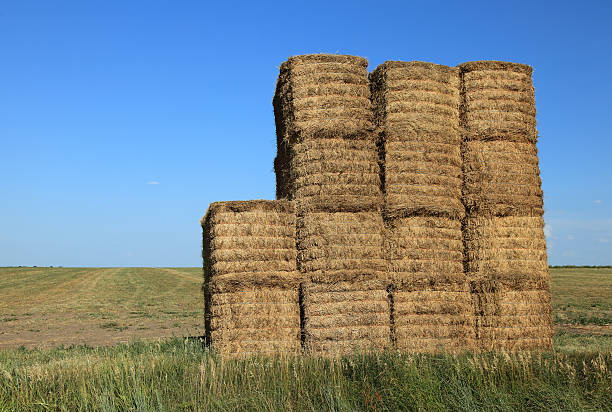
In the vast and diverse agricultural landscape of Australia, the use of baler twine is essential for efficient farming operations. Baler twine Australia Australia plays a crucial role in binding hay, straw, and other crops into manageable bales. However, the import, use, and disposal of baler twine are subject to a complex regulatory environment designed to ensure environmental safety, product quality, and industry standards. Understanding how Australian regulations affect baler twine helps farmers, suppliers, and importers navigate legal requirements and adopt best practices that benefit both their businesses and the environment.
Regulatory Framework Governing Baler Twine Australia
Australia’s agricultural import and product use regulations stem from several government bodies, including the Department of Agriculture, Water and the Environment (DAWE), the Australian Competition and Consumer Commission (ACCC), and local environmental authorities. The regulations focus on aspects such as biosecurity, material safety, environmental impact, and trade compliance.
The importation of baler twine into Australia is tightly regulated to prevent biosecurity risks. Twine made from synthetic or natural fibres could carry contaminants or invasive species if not properly treated. Consequently, importers must comply with strict packaging and inspection protocols overseen by DAWE, ensuring that all imported baler twine meets Australian biosecurity standards before entering the supply chain.
Material Standards and Product Safety
One significant regulatory consideration for baler twine Australia is product quality and safety standards. The Australian Standard AS 4386-2004 specifies requirements for the mechanical performance of baler twine used in agricultural settings. These standards help maintain bale integrity, reduce equipment damage, and ensure safety for operators.
Producers and importers must ensure their baler twine products comply with these standards. Non-compliance can lead to costly recalls, damaged reputations, and operational disruptions. The ACCC also monitors product claims and advertising, ensuring that suppliers provide accurate information about tensile strength, UV resistance, and biodegradability of baler twine products.
Environmental Regulations Impacting Baler Twine Use
Environmental sustainability is a major focus in Australian agricultural regulations, influencing the choice and disposal of baler twine. Many Australian states have introduced guidelines that encourage or mandate the use of biodegradable or recyclable baler twine to reduce plastic pollution in farmlands and waterways.
Disposal of baler twine is a particular concern. Traditional polypropylene twine, if left in fields or dumped improperly, can harm wildlife and contribute to microplastic pollution. To combat this, several local councils and agricultural organisations promote recycling programs specifically for used baler twine Australia-wide. Some regions even prohibit the burning or landfill disposal of baler twine, pushing farmers toward more sustainable disposal options.
Import Tariffs and Trade Policies Affecting Baler Twine Australia
Trade policies and tariffs can also influence the cost and availability of baler twine in Australia. Since much baler twine is imported, primarily from countries like China and the United States, changes in trade agreements or tariffs directly affect pricing.
The Australian government’s tariff schedules categorise baler twine under specific customs codes, with duties depending on the material composition and country of origin. Recent trade negotiations aim to reduce import barriers for agricultural inputs, including baler twine, to support the farming sector’s competitiveness.
However, importers must stay informed on shifting trade policies, as sudden tariff changes or import restrictions can disrupt supply chains. This calls for close collaboration between importers, customs brokers, and regulatory bodies to maintain compliance while managing cost-efficiency.
Innovations and Regulatory Trends Shaping the Future of Baler Twine in Australia
As environmental concerns gain prominence, Australian regulations are evolving to support greener alternatives in baler twine use. Biodegradable and photodegradable twines are gaining regulatory favour, backed by guidelines encouraging their adoption through subsidies or certification programs.
Government-funded research initiatives are also underway to develop twine materials that combine strength, durability, and environmental friendliness. Regulatory frameworks are adapting to ensure these innovations meet safety and performance standards before widespread adoption.
Moreover, digital traceability requirements are emerging to improve supply chain transparency for agricultural products, including baler twine. These measures help verify compliance with environmental and trade regulations while building consumer confidence.
Practical Tips for Farmers and Importers Regarding Baler Twine Australia Regulations
- Stay Informed on Import Requirements: Importers should regularly check DAWE updates on biosecurity protocols to ensure smooth customs clearance for baler twine shipments.
- Choose Certified Products: Opt for baler twine products compliant with AS 4386-2004 standards to guarantee safety and durability.
- Adopt Sustainable Disposal Practices: Participate in local recycling programs and avoid improper disposal methods that violate environmental regulations.
- Monitor Trade Policy Changes: Maintain communication with trade experts to anticipate tariff shifts affecting baler twine pricing and availability.
- Consider Eco-Friendly Alternatives: Explore biodegradable or photodegradable twine options to align with evolving environmental regulations and reduce ecological impact.
Australian regulations governing the use and import of baler twine reflect a balance between supporting agricultural productivity and protecting the environment. By understanding these regulatory frameworks, farmers and importers can ensure compliance, improve operational efficiency, and contribute to a sustainable agricultural future. As the industry advances, staying ahead of regulatory trends and innovations will be key to thriving in Australia’s dynamic farming sector.