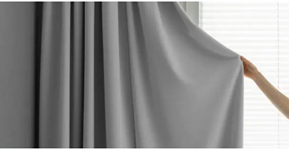
Adelaide summers can be hot, dry, and challenging for homeowners trying to keep indoor spaces comfortable. Large windows and glass doors can let in significant heat and sunlight, so the right window coverings are an important part of your summer strategy.
Choosing the right curtains Adelaide homeowners can rely on means looking beyond colour and style. Thermal and blockout options can help manage sunlight, reduce heat transfer, and create a more comfortable interior. Whether you are upgrading an older home or fitting out a new property, understanding how these curtain types work can help you choose a practical and attractive solution.
Why Adelaide Homes Need Better Window Coverings
Windows can be a major source of unwanted solar heat, particularly when they receive strong afternoon sun. Bare glass can let sunlight enter freely, warming floors, furniture, and internal surfaces.
Well-designed window coverings provide a physical barrier between the room and the window. Combined with appropriate glazing and good insulation, they can support a broader approach to energy-efficient window treatments.
The right curtains can also improve privacy, control glare, and make bedrooms easier to darken during bright summer mornings.
Blockout Curtains vs Thermal Curtains
Although blockout curtains and thermal curtains are sometimes used interchangeably, they serve different priorities.
Blockout Curtains
Blockout curtains are primarily designed to restrict incoming light. They are particularly useful for:
● Bedrooms and nurseries
● Home theatres and media rooms
● Rooms exposed to intense sunlight
● Homes where privacy is a priority
A quality blockout lining can significantly reduce the amount of light entering a room while also providing some insulation.
Thermal Curtains
Thermal curtains are designed with insulation and temperature control in mind. Their construction and lining can help reduce heat transfer through the window, making them particularly useful during Adelaide’s hot summer months.
For homeowners concerned about indoor comfort and energy consumption, thermal curtains can be considered alongside other energy-saving measures such as external shading, appropriate glazing and insulation.
Choosing Curtains for Adelaide’s Heat
Not every room receives the same amount of heat, so consider each space’s orientation and use before selecting curtains.
North- and west-facing windows deserve particular attention because they can experience strong solar exposure. Full-length curtains with a suitable lining can provide better window coverage than short coverings that leave sections of glass exposed.
For rooms that need both darkness and temperature control, combining blockout curtains with thermal lining may provide a practical solution.
Why Custom Curtains Can Make a Difference
Off-the-shelf curtains may not provide the coverage, fit, or performance every Adelaide home needs. Custom-made options let homeowners choose dimensions, fabrics, linings, and heading styles for each window.
When considering custom curtains Adelaide heat solutions, look beyond the fabric’s appearance. Ask about lining options, curtain fullness, installation methods and how effectively the finished curtains will cover the window.
A well-fitted curtain should minimise gaps around the window while remaining easy to open and close.
Other Factors to Consider
Before investing in new curtains, consider:
1. Window orientation: Identify which windows receive the strongest sunlight.
2. Room purpose: Bedrooms may benefit from maximum light control, while living areas may need a balance of light and insulation.
3. Fabric and lining: Different materials offer different levels of light control, insulation and visual appeal.
4. Curtain length: Floor-to-ceiling designs can provide comprehensive coverage and a more finished appearance.
5. Installation: Professional measurement and installation can help ensure the curtains fit correctly.
The Right Curtains for Year-Round Comfort
The best curtains Adelaide homeowners choose should do more than complement their interiors. Thermal and blockout curtains can help manage sunlight, improve privacy and support a more comfortable indoor environment throughout changing seasons.
If your Adelaide home becomes uncomfortably warm in summer, consider having your windows assessed before choosing new coverings. A professional curtain specialist can recommend fabrics, linings and custom solutions suited to your home’s orientation, windows and interior design.
Conclusion
Choosing suitable window coverings is a practical investment in comfort and style. Thermal curtains, blockout linings, and other energy-efficient window treatments can help Adelaide homeowners manage harsh sunlight while creating a more comfortable living environment.
If you are ready to improve your home’s summer performance, speak with a local curtain specialist about custom options designed specifically for your windows.
—
Frequently Asked Questions
1. Are thermal curtains suitable for Adelaide summers?
Yes. Thermal curtains can help reduce heat transfer through windows and provide better temperature control when used as part of a broader approach to home insulation and shading.
2. What are blockout curtains best used for?
Blockout curtains are ideal for bedrooms, media rooms and other spaces where reducing sunlight, glare, and visibility is important.
3. Are thermal and blockout curtains the same?
No. Blockout curtains primarily control light, while thermal curtains focus on insulation and temperature management. Some curtains can offer both features.
4. Should I choose custom curtains for large Adelaide windows?
Custom curtains can be particularly useful for large, unusually shaped or difficult-to-cover windows because they can be measured and made to suit the specific opening.
5. Can curtains help make my home more energy efficient?
Curtains can help make window treatments more energy efficient by reducing sunlight and heat transfer through windows. Their effectiveness depends on factors such as fabric, lining, window type, installation and the home’s overall insulation.