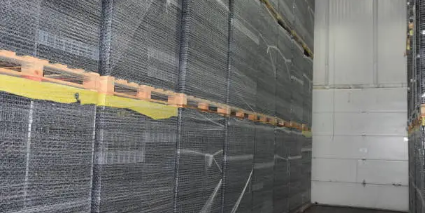
Cold storage plays a critical role in Australia’s food, pharmaceutical, and logistics supply chains. From meat processors in Queensland to seafood exporters in Western Australia, maintaining consistent freezer temperatures is essential for product quality and regulatory compliance.
Pallet freezer spacers have become an increasingly important solution for Australian cold storage facilities seeking to improve airflow, reduce energy consumption, and protect temperature-sensitive goods. By creating uniform gaps between pallets and freezer walls, these spacers help businesses maintain optimal freezing conditions across large-scale storage environments.
Understanding the Role of Pallet Freezer Spacers in Cold Storage
Pallet freezer spacers are durable supports that keep pallets evenly spaced in freezers and cold rooms. This spacing allows cold air to circulate freely around stored products, preventing hot spots and uneven freezing. In Australia’s climate—where ambient temperatures can fluctuate significantly—efficient airflow inside freezers is critical to maintaining a stable cold chain.
When pallets are stacked too closely, airflow is restricted, forcing refrigeration systems to work harder. Over time, this can lead to higher electricity costs, inconsistent product temperatures, and increased risk of spoilage. By installing pallet freezer spacers, warehouses can maintain consistent spacing across all pallet rows, ensuring uniform cooling throughout the facility.
Why Airflow and Temperature Consistency Matter in Australia
Australian cold storage facilities often operate at scale, handling large volumes of frozen meat, dairy, seafood, and pharmaceuticals destined for both domestic consumption and export. Regulatory bodies such as Food Standards Australia New Zealand (FSANZ) require strict temperature control to ensure food safety and quality.
The use of pallet freezer spacers directly supports these requirements by helping maintain consistent freezer temperatures across all storage zones. Improved airflow reduces the likelihood of partial thawing, freezer burn, or temperature deviations that could compromise product integrity. For exporters, this consistency is especially important when products must travel long distances under frozen conditions.
Energy Efficiency and Cost Reduction Benefits
Energy costs are among the largest operating expenses for Australian cold storage operators. Poor airflow caused by tightly packed pallets can significantly increase freezer run times and compressor load. Over time, this results in higher electricity bills and increased wear on refrigeration equipment.
Strategic spacing with pallet freezer spacers allows cold air to circulate more efficiently, enabling freezers to reach target temperatures faster and maintain them with less energy. Many Australian warehouses report noticeable reductions in energy consumption after improving pallet spacing, making spacers a cost-effective investment with long-term operational benefits.
Supporting Compliance and Audit Readiness
Food safety audits and cold chain inspections are a routine part of operating in Australia’s regulated storage environment. Inspectors often assess airflow, pallet placement, and temperature uniformity when evaluating freezer performance.
Using pallet freezer spacers helps facilities demonstrate proactive compliance with best-practice storage guidelines. Clearly defined spacing between pallets supports easier visual inspections and provides evidence that the warehouse is designed to minimise temperature variation. This can be particularly valuable for businesses supplying major supermarkets, food service distributors, or export markets with strict quality standards.
Durability and Suitability for Australian Conditions
Cold storage equipment in Australia must withstand heavy use, frequent pallet movement, and extreme temperature conditions. Quality pallet freezer spacers are typically manufactured from high-density plastics or food-grade materials designed to remain stable and strong at sub-zero temperatures.
Applications Across Key Australian Industries
The use of pallet freezer spacers extends across multiple sectors of the Australian economy. In meat processing facilities, they help ensure carcasses and boxed products freeze evenly, reducing waste and improving yield. Seafood exporters rely on consistent freezing to preserve freshness during long shipping times to Asia, Europe, and North America.
Pharmaceutical and medical supply distributors also benefit from controlled airflow, as many products require precise temperature ranges to remain effective. In each of these sectors, pallet freezer spacers provide a simple yet highly effective way to enhance storage reliability and reduce risk.
Improving Warehouse Layout and Safety
Beyond temperature control, pallet freezer spacers improve warehouse organisation. Consistent spacing makes aisles more predictable, improving forklift manoeuvrability and reducing the risk of pallet damage. Clear separation between pallets and freezer walls also helps prevent condensation buildup and ice formation, which can create safety hazards for staff.
For Australian businesses focused on workplace safety and efficiency, this improved layout supports smoother operations and fewer disruptions caused by damaged goods or equipment.
A Smart Investment for Australian Cold Storage Facilities
As energy prices rise and compliance requirements become more stringent, Australian cold storage operators are under increasing pressure to optimise every aspect of their facilities. Pallet freezer spacers offer a practical, low-cost solution that delivers measurable benefits in airflow, energy efficiency, compliance, and product protection.
By integrating pallet freezer spacers into freezer design and pallet management strategies, Australian warehouses can enhance operational performance while safeguarding the quality of temperature-sensitive goods. For businesses looking to future-proof their cold storage operations, this simple addition can have a significant, lasting impact.